Sorry Cupid, Jesus Has My Heart: Beyond the T‑Shirt Trend
Scrolling through social media in February can feel like walking through a greeting card aisle that exploded. Romantic dinner photos, jewelry ads, and over‑the‑top proposals dominate the feed. Then you spot a simple phrase that cuts through the noise: “Sorry Cupid, Jesus Has My Heart.” It is witty, confident, and deeply counter‑cultural. Whether it appears on a hoodie, a phone wallpaper, or a dating profile bio, this statement does far more than reject Valentine’s Day clichés. It declares a priority—and that priority happens to be a person.
For adults navigating dating, career, content creation, or small business ownership, this phrase opens up practical conversations about identity, boundaries, and brand voice. It is not a slogan for the sake of being clever. It is a tool for clear communication, spiritual grounding, and even niche marketing.
What This Phrase Actually Communicates
At its simplest, “Sorry Cupid, Jesus Has My Heart” blends playful sarcasm with sincere faith. Cupid represents the secular, often pushy, version of romance—arrows aimed at making you fall in love at the “right” time with the “right” person. Jesus represents a deliberate, committed love that does not depend on a calendar date or a relationship status.
For the person using it, the message is multi‑layered:
- Identity: My worth is not tied to being coupled up.
- Boundaries: I am not desperate, and I do not chase validation.
- Focus: My spiritual growth takes precedence over romantic pursuits right now.
- Community: I belong to a faith that values singleness and devotion equally with marriage.
It resonates most with adults who have experienced heartbreak, chosen celibacy, or simply decided that a season of singleness is productive, not pitiful. It validates a demographic that mainstream media often ignores: the happy, whole, and spiritually ambitious single.
Social Media Bios and Dating Apps
This is the most obvious, and arguably most practical, use case. A profile on Hinge, Bumble, or Instagram that includes “Sorry Cupid, Jesus Has My Heart” immediately filters the audience. It tells potential matches, “I am not here for casual flings. My faith is central to my life, and you need to respect that.”
For the user, it saves time and emotional energy. Instead of awkward conversations about “why you are not interested,” the bio does the work upfront. It attracts like‑minded people and repels those who would waste your time. In a digital dating landscape full of ambiguity, that clarity is valuable.
Wearables and Everyday Carry
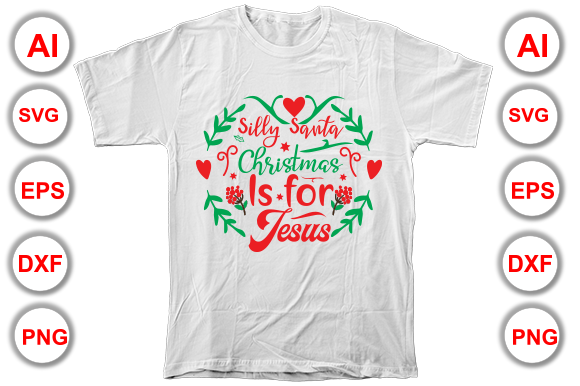
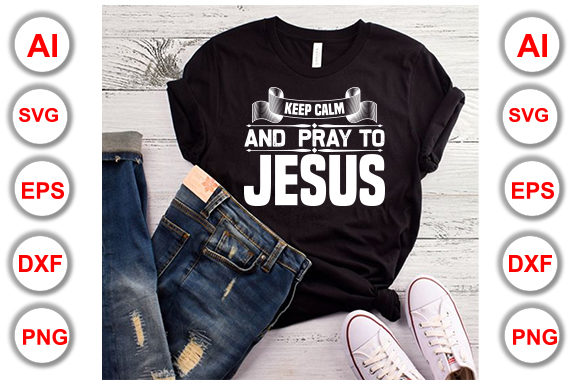
T‑shirts, hoodies, phone cases, and tote bags featuring this phrase turn the wearer into a walking conversation starter. At a coffee shop, a university campus, or a church small group, someone will inevitably ask, “Hey, I love your shirt—what does that mean to you?”
That question opens a door for authentic testimony without being preachy. The person wearing it does not have to force a spiritual talk; the product invites curiosity naturally. For introverts who struggle to share their faith verbally, this is a low‑pressure, high‑impact approach.
Home and Office Decor
Lipstick on a coffee mug, framed in a home office, or printed on a desk mat—this phrase works as a daily reminder for the user themselves. Entrepreneurs and remote workers spend hours alone with their thoughts. Having a visual cue that says, “My heart is secure in Christ, not in my business success or my relationship status” can reset perspective during a stressful day.
The Solo Entrepreneur or Small Business Owner
If you run a print‑on‑demand store on Etsy, Shopify, or Redbubble, you know that generic Valentine’s Day merch is oversaturated. Couples mugs, love‑heart pillows, and romance tees are everywhere. The “Sorry Cupid” niche, however, serves an under‑marketed audience: Christians who are single, celibate, or simply prioritizing their faith over romance.
This audience is loyal. They do not just buy a product; they buy a representation of their identity. They leave reviews, post photos, and tag your shop. One well‑designed item can generate organic word‑of‑mouth traffic that paid ads struggle to match. The key is not just slapping text on a shirt. Pair the phrase with minimalist floral art, vintage typography, or modern sans‑serif fonts. Offer it on journals, stickers, and canvas prints, not just apparel. The more versatile the product line, the more touchpoints you have with the customer.
The Content Creator and Blogger
For bloggers, YouTubers, and podcasters in the faith or lifestyle space, this phrase is a content goldmine. Instead of writing another generic “how to be single” article, create a piece titled “What ‘Sorry Cupid’ Taught Me About My Worth in Christ.” Use it as a video title. Design a Pinterest graphic around it.
The benefit is twofold. First, the phrase has built‑in search intrigue. People are curious about its meaning. Second, it positions you as a voice for a specific audience—adults who are tired of the church treating singleness like a waiting room for marriage. By validating their season, you build deep trust and loyalty.
The Everyday Individual Navigating Relationships
Perhaps you are not a creator or a business owner. You are just a person trying to live out your faith in a culture that constantly tells you to find love. Using this phrase—on your phone background, your mirror, or your social caption—works as an anchor. When loneliness hits, or when friends pressure you to “get back out there,” the statement reminds you why you made the choices you made.
It becomes a personal manifesto, not just a trend. And over time, repeating that manifesto changes how you see yourself.
Practical Examples: Turning the Phrase into Action
- For the Etsy seller: Create a bundle called “Singleness & Sanctification” that includes a “Sorry Cupid” journal, a sticker set, and a scripture card pack. Market it as a Valentine’s alternative gift for friends or small group leaders.
- For the YouTuber: Film a vlog titled “The Valentine’s Day I Put Cupid on Notice.” Share your personal story of choosing faith over a relationship. End with a challenge for viewers to define their own boundaries.
- For the church small group leader: Use the phrase as a discussion starter. Ask: “What does it look like practically to let Jesus have your heart, especially when you want romance?” This moves the concept from abstract to actionable.
- For the freelance graphic designer: Offer a custom digital wallpaper design featuring the phrase. It is low‑effort, high‑value, and easy to deliver via email or Etsy download.
Real usefulness comes when the product or content helps the user do something—clarify a boundary, start a conversation, or recenter their own focus.
What to Consider Before Using or Selling It
Authenticity is the currency of the current internet. If you adopt this phrase, people will notice. They might ask you about your faith, your relationship history, or your life choices. Be ready to have that conversation respectfully. If you are using it purely for aesthetics without personal conviction, the disconnect can feel shallow to a discerning audience.
For business owners, the biggest consideration is design quality. Christian‑themed merchandise has historically suffered from cheesy fonts and low‑resolution graphics. Your customer is an adult aged 20–50 with taste. They will pay a premium for something that looks like it belongs in a modern boutique, not a church basement. Invest in typography, fabric quality, and packaging.
Also, consider timing. February is the obvious peak, but this product sells year‑round. Singles conferences, summer camps, and back‑to‑school seasons are all opportunities. If you are a creator, schedule content around these touchpoints. A single well‑timed email newsletter featuring this phrase can outperform weeks of generic content.
Finally, context matters. While the phrase is powerful on a personal blog or a Sunday morning, it may feel out of place on a LinkedIn profile or a corporate website. Understand your platform and your audience. Use the phrase where it resonates, not where it confuses.
The Deeper Why: Why This Phrase Is Not Going Away
“Sorry Cupid, Jesus Has My Heart” endures because it fills a real gap. Mainstream culture offers very few scripts for happy, purposeful singleness. Faith communities sometimes over‑emphasize marriage as a goal. This phrase pushes back against both pressures. It says, “I am not missing out. I am exactly where I need to be.”
For the 20‑ to 50‑year‑old adult, whether you are an entrepreneur, an educator, a parent, or a student, that validation matters. It gives language to a season of life that often feels invisible. And when you find language that fits, you hold onto it. You share it. You build a business, a blog, or a personal brand around it.
So whether you are planning a product launch, writing your next newsletter, or simply setting a boundary in your own heart, let the phrase do the heavy lifting. It is honest, it is playful, and it points to something—and Someone—far bigger than a holiday.