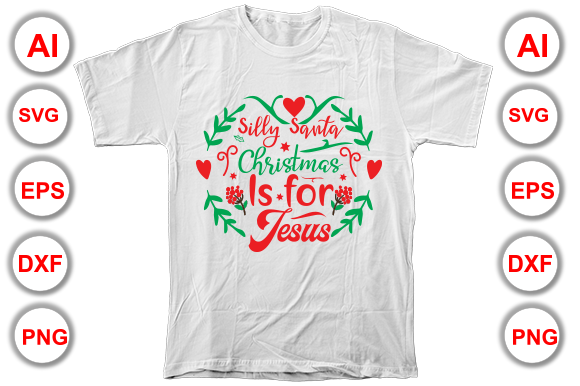
Sorry Cupid: Jesus Ha Valentine Design
Valentine’s Day often arrives wrapped in pink and red, saturated with cupids, arrows, and romantic clichés. Yet for many, that conventional imagery feels incomplete, even a little hollow. That is where the Valentine’s Design Sorry Cupid Jesus Ha approach enters the picture. It reimagines the holiday’s visual language by gently setting aside Cupid and leaning into themes of joy, grace, and deeper connection—without losing the warmth or playfulness people love. Whether you are a creator looking for fresh inspiration or a small business owner wanting to stand out, this design direction offers a distinctive, meaningful alternative.
What Valentine’s Design Sorry Cupid Jesus Ha Actually Means
At its core, this design concept swaps the mythological archer for a more grounded, faith-centered focus. The “Sorry Cupid” element acknowledges the familiar Valentine imagery while intentionally choosing something different: love rooted in compassion rather than romantic luck. The “Jesus Ha” part adds lightness, even a bit of gentle humor—an invitation to smile at the irony of commercial Valentine norms while embracing something more sincere. The result is a visual style that feels both fresh and familiar, able to carry messages about friendship, family, self-worth, or spiritual gratitude without the usual marketing pressure.
For designers, bloggers, and educators, this means having a theme that works for a wide range of contexts—not just romantic partners but also youth groups, classroom activities, community events, or personal reflection. It rescues Valentine’s Day from narrow definition and opens it up to broader, more inclusive expression.
Content Creators and Freelancers
If you create social media graphics, printable cards, or email newsletters, standing out in February can be tough. Every other feed features the same hearts and arrows. Using a Sorry Cupid Jesus Ha theme immediately differentiates your work. It signals a unique perspective—something your audience may find refreshing if they are tired of the standard tropes. A freelance designer can pitch this concept to churches, faith-based nonprofits, or family-oriented brands looking for Valentine materials that resonate beyond couples.
Small Business Owners and Marketers
Businesses that cater to families, youth groups, or community-centered customers need campaigns that feel inclusive without being generic. A Valentine promotion built around joy and gratitude rather than romance lowers the barrier for engagement. A coffee shop, for instance, could run a “Sorry Cupid, we serve joy” special, pairing themed cups with simple design elements that spark conversation. Marketers can use this approach to build brand warmth and trust—qualities that drive loyalty more effectively than seasonal gimmicks.
Educators and Faith Leaders
Teachers and youth leaders often scramble for Valentine activities that are fun yet meaningful. A Sorry Cupid Jesus Ha theme provides ready-made framing for lessons or events about kindness, thankfulness, or community care. Instead of passing out standard commercial valentines, children can create cards that express appreciation for friends, family, or themselves—using design prompts that emphasize joy rather than expectation. The “Ha” encourages laughter and lightheartedness, which helps students relax and connect authentically.
Simplifies Creative Decisions
One of the biggest struggles in design is choosing a direction. The Valentine’s Design Sorry Cupid Jesus Ha framework narrows choices quickly. You know you are avoiding Cupid imagery. You know you are emphasizing joy, gratitude, and connection. That focus eliminates dozens of irrelevant options, saving hours of brainstorming. Whether you are building a color palette around warm golds and soft whites instead of heavy reds, or selecting typography that feels approachable rather than ornate, every decision becomes clearer.
For a blogger writing a Valentine post, this clarity means the message stays centered. Instead of drifting into generic relationship advice, you can explore specific topics like “celebrating friendships that feel like family” or “finding humor in life’s imperfect moments.” Readers appreciate when content feels intentional rather than rushed.
Supports Meaningful Communication
When you design with this theme, the visual language communicates before anyone reads a word. A card that replaces Cupid with a simple handwritten-style “Ha” suggests that joy is welcome here. A poster featuring warm abstract shapes rather than romantic symbols signals that all kinds of love are honored. This is particularly valuable for organizations that serve diverse communities, where assuming a romantic focus might exclude or alienate.
For example, a church Valentine brunch might use Sorry Cupid Jesus Ha graphics on flyers and table cards. Attendees immediately sense the event is about fellowship and appreciation, not just couples. That subtle cue can increase attendance and comfort for single members, widowed seniors, or young families.
Increases Efficiency for Recurring Projects
Once you develop a Sorry Cupid Jesus Ha design template, it becomes reusable across years and platforms. A small business can create a core set of graphics—social posts, email headers, print flyers—and adapt them annually with minor text updates. Freelancers can build a portfolio of adaptable assets that clients can license for multiple seasons, reducing the need for redesign from scratch every February. This efficiency matters especially for entrepreneurs juggling multiple responsibilities.
Printable Card Sets for Groups
A youth group leader might design a set of “Sorry Cupid” cards with inside jokes and encouraging phrases, topped with a small “Jesus Ha” stamp. Teens can hand these out in class without embarrassment—they feel unique rather than store-bought. The activity itself becomes a workshop on creativity and kindness, reinforcing the group’s values through hands-on participation.
Social Media Campaign for a Local Business
A family-owned bakery could run a “Sorry Cupid, we have cookies” week. Each photo features pastries styled with warm lighting and simple captions like “Joy tastes better than romance.” The campaign invites customers to tag someone they appreciate, not just a partner. Engagement spikes because the content feels inclusive and shareable. The business gains authentic word-of-mouth without aggressive promotion.
Classroom Bulletin Board or Newsletter
A teacher creates a February bulletin board titled “Our Class Says Sorry Cupid—We Choose Kindness.” Student names are placed on paper hearts, each with a friend’s compliment written beside it. The design uses minimal cupid imagery and emphasizes community. Parents see the board and feel the classroom environment is positive and intentional. The same theme carries into a newsletter highlighting class acts of kindness, reinforcing the school’s social-emotional learning goals.
Thoughtful Considerations Before Committing
While the Valentine’s Design Sorry Cupid Jesus Ha approach works well for many contexts, it is not a universal fit. Businesses targeting a strictly romantic or luxury audience may find the playful “Ha” tone undercuts their desired sophistication. A high-end jewelry brand, for example, likely needs traditional romantic imagery to align with customer expectations. In such cases, the concept could still inspire small touches—like a thank-you note included with purchases—but should not replace the core season strategy.
Similarly, audiences unfamiliar with the faith nuance might misinterpret the “Jesus Ha” element as irreverent rather than joyful. Clear design execution matters: choosing warm, approachable fonts and pastel or natural color palettes helps convey sincerity. If you include text, brief explanations like “celebrating love with a little laughter” can bridge understanding without over-explaining.
Creators should also consider their audience’s cultural context. In secular settings, you may want to tone down explicit religious references while keeping the broader values of gratitude and joy. The theme is flexible enough to shift along a spectrum—from explicitly faith-centered to broadly inspirational—depending on your needs.
Getting Started with Your Own Design
Begin by gathering reference materials that capture the mood you want. Look for imagery that suggests warmth, connection, and gentle humor—think soft textures, natural light, hand-drawn elements, and simple typography. Sketch a few rough layouts that replace Cupid with symbols like sunbursts, heart-shaped leaves, or open hands. Include a small “Ha” as a recurring accent, whether as a typographic mark, a stamped icon, or a playful note in the corner.
Test your design with a trusted peer or a small segment of your audience. Ask them what the visuals communicate before they read any text. Adjust based on whether the emotional response matches your intent—joy, comfort, connection—rather than confusion or indifference.
Over time, you may find that the Sorry Cupid Jesus Ha theme becomes more than a seasonal choice. It can shape how you approach design year-round: prioritizing clarity of message, emotional resonance, and genuine connection over visual noise. That shift benefits every project, not just Valentine’s Day.
The real value of this design direction is not simply avoiding Cupid or inserting a pun. It is the permission to clarify what you want to say and to say it with warmth. In a season crowded with expectation, that clarity is a gift worth sharing.