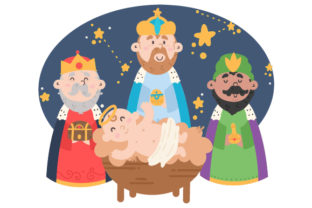
Reyes Magos with Niño Jesús: Understanding the Tradition and Its Practical Value
The tradition of Reyes Magos with Niño Jesús holds a central place in Spanish-speaking cultures and beyond. It blends religious narrative, cultural celebration, and family ritual into something that endures across generations. For anyone working in education, content creation, community building, or cross-cultural communication, understanding this tradition offers practical benefits—from crafting more authentic narratives to designing culturally resonant experiences.
At its core, Reyes Magos with Niño Jesús refers to the Epiphany story: the visit of the Magi—Melchior, Gaspar, and Balthazar—to the newborn Jesus. But in practice, it extends far beyond a biblical account. It shapes holiday traditions, gift-giving customs, public celebrations, and artistic representations across Latin America, Spain, and many Hispanic communities worldwide. This article examines what makes this tradition worth discussing, how it performs in real-world use, and who benefits most from engaging with it.
What Reyes Magos with Niño Jesús Actually Represents
Understanding this tradition requires separating the religious foundation from its cultural expressions. The biblical narrative is straightforward: three wise men follow a star to find the infant Jesus, offering gifts of gold, frankincense, and myrrh. But the tradition as it lives today involves much more.
Key characteristics include:
- January 6 celebration: Known as Día de Reyes or Epiphany, this date often rivals Christmas Day in importance across Latin America and Spain.
- Gift-giving focus: Children receive presents from the Magi, not Santa Claus, in many households. Families leave shoes out, prepare offerings for the camels, and wake to find gifts beneath the tree.
- Rosca de Reyes: A sweet bread ring baked with a small figurine of baby Jesus hidden inside. Whoever finds it must host a gathering on Candlemas (February 2).
- Public parades: Cabalgatas de Reyes feature elaborate floats, performers, and candy distribution in cities and towns.
- Visual iconography: Nativity scenes, artwork, and figurines depicting the Magi presenting gifts to Mary and the child Jesus.
What makes this tradition worth discussing is its dual nature. It is simultaneously a religious observance and a secular cultural event. This flexibility gives it longevity and adaptability. It connects generations, builds community, and provides a framework for storytelling that resonates across age groups and backgrounds.
Cultural Authenticity and Resonance
For content creators, marketers, and educators working with Hispanic audiences, referencing Reyes Magos with Niño Jesús correctly signals cultural fluency. It shows an understanding that Christmas celebrations are not monolithic. When you acknowledge that many families center their holiday around January 6 rather than December 25, you speak directly to their lived experience.
This matters in practical ways. Educational materials that include the Magi alongside the nativity scene feel more complete to students from Latin American backgrounds. Marketing campaigns timed around Epiphany rather than the commercial December calendar capture attention when other messages have faded. Publishers creating holiday content that features the Rosca de Reyes or the Cabalgata demonstrate respect for the tradition's real-world significance.
Narrative and Educational Flexibility
The Reyes Magos story works across multiple formats and age levels. For young children, it is a simple tale of travelers following a star. For older students, it opens discussions about astronomy, trade routes, historical gift-giving practices, and the spread of religious narratives across cultures. Entrepreneurs developing educational products—activity books, lesson plans, video content—can build layered materials that grow with the audience.
The tradition also lends itself to interactive experiences. The Rosca de Reyes tradition, where finding the hidden figurine carries responsibility for hosting another celebration, teaches shared obligation in an engaging way. Parades and community events offer hands-on cultural participation. These elements make the tradition valuable for event planners, community organizers, and educators seeking participatory learning.
Consistency and Reliability Across Contexts
Unlike some traditions that vary widely by region, the core elements of Reyes Magos with Niño Jesús remain remarkably consistent. The names of the Magi, the date of celebration, and the basic gift-giving framework appear across countries and communities. This consistency makes it a reliable reference point for cross-cultural work. A campaign or educational piece referencing the Magi will be understood by audiences in Mexico, Spain, Argentina, and the United States alike.
That said, regional variations do exist. In some areas, children write letters to the Magi. In others, they set out grass or hay for camels. Some families leave water for the camels, others leave sweet treats. Understanding these nuances allows for more precise and respectful content creation. A generic reference may work, but specific, well-researched details elevate the work and build trust with the audience.
Visual and Symbolic Richness
The iconography of Reyes Magos with Niño Jesús offers high visual impact. The Magi are typically depicted in colorful robes, often with one figure portrayed with dark skin to represent African heritage. The gifts—gold, frankincense, myrrh—carry symbolic weight that enriches storytelling. The star itself provides a powerful visual and narrative anchor.
For graphic designers, illustrators, and video producers, this tradition provides a wealth of material that feels timeless yet can be adapted to contemporary styles. A nativity scene featuring the Magi works in traditional illustration, minimalist design, animation, or photography. The core imagery remains recognizable regardless of artistic approach, which gives creators flexibility without losing meaning.
Usability Across Digital and Physical Formats
This tradition translates well across media. Blog posts about Reyes Magos attract seasonal traffic from families preparing for January 6. Social media content showing Rosca de Reyes recipes, parade schedules, or gift ideas performs well in late December and early January. Physical goods—nativity figurines, children's books, decorative items—have consistent demand.
The tradition also works for email campaigns, podcast episodes, video tutorials, and printable activity sheets. Because it involves multiple elements—food, gifts, parades, family rituals—there is ample material to create serialized content. A content calendar built around Reyes Magos could span from late November (preparation) through early February (Candlemas conclusion).
Long-Term Relevance and Adaptability
Unlike some seasonal traditions that fade as audiences age, Reyes Magos with Niño Jesús maintains relevance across life stages. Children experience the gift-giving magic. Adults engage with the cooking, decorating, and community events. Older generations pass down the recipes, stories, and customs. This multigenerational appeal means that content or products built around the tradition can reach a wide demographic without feeling forced.
The tradition also adapts to modern life. Virtual Cabalgatas emerged during pandemic years. Online Rosca de Reyes baking tutorials attract thousands of viewers. The core tradition remains intact, but its expression evolves with technology and circumstances. This resilience makes it a reliable subject for long-term content strategies or product lines.
Educators and Content Creators
Teachers developing multicultural curriculum materials will find Reyes Magos with Niño Jesús a rich topic. It connects to history, geography, religion, art, and social studies. It allows students to compare gift-giving traditions, explore trade routes, analyze visual art, and discuss cultural diffusion. The tradition provides concrete examples for abstract concepts.
Content creators focused on family, parenting, or holidays can build authority by covering January 6 celebrations thoroughly. Many general lifestyle outlets ignore Epiphany or treat it superficially. Creating detailed, accurate content about Reyes Magos fills a gap and attracts an engaged, underserved audience.
Marketers and Small Business Owners
For businesses serving Hispanic communities, aligning marketing calendars with Reyes Magos makes practical sense. Running promotions in early January, when many families are still celebrating, captures attention when competitors have moved on. Product categories relevant to the tradition include toys and gifts, baking supplies, party decorations, and religious items.
Small business owners creating handmade or specialty products—artisan Roscas, custom nativity sets, cultural children's books—can target a motivated customer base. The tradition carries emotional weight, so products tied to it benefit from built-in meaning and demand.
Freelancers and Creative Professionals
Illustrators, writers, and designers specializing in cultural content can add Reyes Magos with Niño Jesús to their portfolio repertoire. Having work that accurately represents Hispanic traditions signals cultural competence to potential clients. Freelancers serving the education or publishing sectors can pitch Reyes Magos-themed projects with confidence, knowing the topic has consistent annual demand.
Practical Considerations and Realistic Limitations
No tradition is without challenges. Reyes Magos with Niño Jesús requires contextual understanding. Using the tradition without acknowledging its religious significance can feel hollow to practicing Catholics. Overemphasizing the religious aspect may alienate secular audiences. The balance depends on your audience and purpose.
Another limitation is timing. The tradition's peak falls in a narrow window—late December through early February. For content creators, this means planning months ahead to capitalize on seasonal interest. Last-minute content may not perform well if audiences have already moved on.
Additionally, the tradition's visual elements, while rich, can be overused. Generic depictions of the Magi may fail to distinguish your work from others. Investing in original research or unique angles—regional Rosca variations, lesser-known customs, modern adaptations—helps your content stand out.
Finally, consider the diversity within Hispanic cultures. Not all Hispanic families celebrate Reyes Magos with the same intensity. Some may prioritize Christmas Eve or Christmas Day. Understanding your specific audience's customs prevents assumptions and improves relevance.
Final Observations on the Tradition's Value
Reyes Magos with Niño Jesús offers more than seasonal charm. It provides a structured, visually rich, emotionally resonant tradition that supports educational, commercial, and creative work. Its consistency across regions makes it a reliable cultural reference, while its adaptability ensures continued relevance as audiences evolve.
For professionals working with Hispanic audiences or creating content about cultural traditions, engaging with this topic thoughtfully yields practical returns. Whether you are designing a lesson plan, building a marketing campaign, producing a video, or developing a product line, the tradition gives you a framework that is already meaningful to millions of people. The key is to approach it with genuine understanding rather than superficial reference.
By researching regional variations, respecting the tradition's religious dimensions while acknowledging its cultural breadth, and planning around its seasonal cycle, you can incorporate Reyes Magos with Niño Jesús into your work in ways that feel authentic and valuable. That is the standard worth aiming for—not just using a tradition, but doing it justice.