Christian Cross Mandala Zentangle: A Creative Practice for Reflection and Design
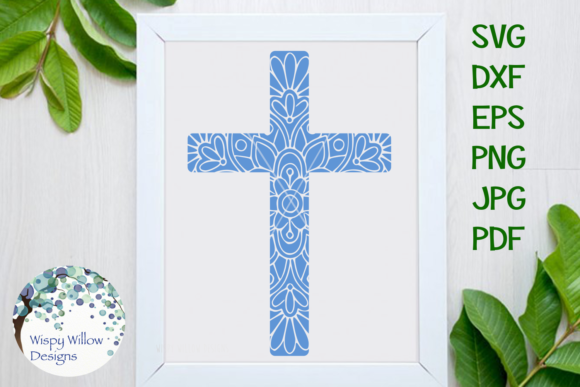
In recent years, a quiet but meaningful intersection of art, spirituality, and personal well-being has emerged: the Christian Cross Mandala Zentangle. At first glance, this may appear to be simply a decorative pattern combining a cross with circular mandala motifs and the structured, meditative linework of Zentangle. But for many, it has become much more—a tactile way to slow down, reflect, and create something both beautiful and personally resonant. Whether you are a designer seeking fresh inspiration, a teacher looking for a meaningful classroom activity, or someone simply curious about integrating creativity into your daily rhythm, this practice offers a surprisingly rich blend of tradition and contemporary mindfulness.
What makes the Christian Cross Mandala Zentangle so compelling is how it bridges seemingly separate worlds. The cross, as a centuries-old symbol of faith, meets the mandala—a geometric configuration rooted in Hindu and Buddhist traditions—and merges with Zentangle, a modern drawing method developed by Rick Roberts and Maria Thomas in the early 2000s. The result is not a mishmash of symbols but a thoughtful fusion that respects each element while creating something new. For many adults navigating busy professional and personal lives, this kind of layered creativity offers a rare chance to pause, focus, and produce something meaningful without needing to be a trained artist.
Why This Fusion Resonates Now
The growing interest in the Christian Cross Mandala Zentangle aligns with several broader shifts in how people approach creativity, mental health, and spiritual expression. Over the past decade, the popularity of adult coloring books, bullet journaling, and mindful crafting has shown that many of us crave hands-on activities that are both calming and productive. At the same time, conversations around mental well-being have pushed practices like meditation and journaling into the mainstream. Zentangle, with its emphasis on repetitive, deliberate strokes, naturally fits into this landscape as a form of active meditation.
But the Christian Cross Mandala Zentangle adds a layer of personal meaning that generic patterns often lack. For individuals who identify with Christian faith or are drawn to spiritual symbolism, the cross anchors the design in a tradition that carries emotional and historical weight. The mandala, with its radial symmetry, provides a structure that feels both expansive and contained. Together, they offer a creative framework that is open enough for personal interpretation yet grounded enough to feel purposeful. This balance is especially appealing to professionals and entrepreneurs who may feel disconnected from traditional forms of prayer or meditation but still desire a reflective practice that fits into their schedule.
Another factor driving attention to this art form is the broader cultural turn toward slow living and intentionality. In a world of constant notifications, algorithm-driven feeds, and remote work blurring the boundaries between professional and personal time, many people are actively seeking activities that require sustained focus and yield tangible results. Drawing a Christian Cross Mandala Zentangle takes time—sometimes hours—and that very slowness becomes part of its value. It is not a quick fix but a deliberate process that rewards patience and attention to detail.
Evolution of the Practice: From Niche Hobby to Recognized Tool
Twenty years ago, the idea of combining a cross, a mandala, and Zentangle into a single practice would have been a niche interest shared among a small group of artists and hobbyists. Today, the landscape looks very different. Social media platforms like Pinterest, Instagram, and YouTube have allowed creators to share their work widely, inspiring others to try their hand at the technique. Search interest in related terms has grown steadily, and workshops—both online and in person—now cater to everyone from church groups to corporate wellness programs.
Part of this evolution can be attributed to the rise of accessible creative tools. High-quality pens, specialized paper, and digital drawing tablets have made it easier than ever to experiment with detailed patterns. But perhaps more important is the shift in how we view creativity itself. It is no longer seen as the exclusive domain of artists or professionals. Instead, creativity is increasingly understood as a skill that anyone can cultivate, and one that supports problem-solving, emotional regulation, and even professional resilience. The Christian Cross Mandala Zentangle embodies this democratization of art: you do not need formal training to begin, yet the results can be as sophisticated as you wish.
Moreover, the practice has evolved to accommodate different levels of commitment. Some people use pre-drawn templates and fill in the patterns, which is an excellent entry point for beginners or those with limited time. Others prefer to design their own mandalas from scratch, choosing every line and curve. There is no single correct way to engage, and that flexibility is a big part of why the practice continues to attract a diverse audience. Educators, for instance, have adapted it for art therapy sessions and religious education classes, while business owners have used it as a team-building exercise or a way to encourage mindfulness during high-stress periods.
Practical Implications for Creators, Professionals, and Everyday Readers
For creators and designers, the Christian Cross Mandala Zentangle offers a rich source of visual inspiration. The interplay between symmetry and organic linework can inform everything from logo design to textile patterns. Many graphic designers have noted that practicing Zentangle improves their hand-drawing skills and helps them break out of creative ruts. By working within the constraints of a cross and mandala structure, you learn to innovate within boundaries—a skill that translates directly to client projects with specific briefs.
Professionals and business owners may find value in the practice as a tool for focus and stress management. The repetitive, rhythmic nature of drawing these patterns can lower cortisol levels and improve concentration. Some entrepreneurs I have spoken with keep a small sketchbook on their desk specifically for quick Zentangle sessions between meetings. They report that even five minutes of drawing helps reset their attention and reduces the urge to multitask. For freelancers and remote workers who struggle with the isolation or lack of structure that can come with self-employment, the ritual of sitting down to draw a Christian Cross Mandala Zentangle can provide a sense of routine and accomplishment that is independent of client feedback or revenue.
For educators and facilitators, this art form works well as a structured yet open-ended activity. In a classroom setting, it can be used to teach concepts of symmetry, repetition, and cultural symbolism. In a wellness workshop, it serves as a non-intimidating entry point into mindfulness practices. Participants often surprise themselves with what they create, and that sense of achievement can be empowering. The Christian Cross Mandala Zentangle also lends itself to group settings: people can work on individual pieces while sharing a common theme, then reflect together on the experience.
For the curious reader who simply wants to try something new, the barrier to entry is low. All you need is a piece of paper, a pen, and a willingness to draw one line at a time. There are countless free tutorials online, from step-by-step guides to time-lapse videos of completed works. You do not have to be religious to appreciate the aesthetic or the meditative quality of the process. Many practitioners describe the experience as grounding, regardless of their personal beliefs. The cross and mandala serve as visual anchors that guide the hand and mind, making it easier to stay present.
Integrating the Practice into Modern Workflows and Lifestyle
One of the most practical recommendations I can offer is to treat the Christian Cross Mandala Zentangle not as a hobby you need to make time for, but as a micro-practice you can weave into existing routines. Keep a small sketchbook in your bag or on your desk. Use it during your morning coffee, while waiting for a meeting to start, or as a wind-down activity in the evening. The goal is not to produce a masterpiece every time but to engage in the process regularly. Over weeks and months, you will notice improvements in your ability to concentrate, your comfort with creative decision-making, and your capacity to tolerate imperfection.
Another approach is to combine the practice with digital tools. Many artists use tablets and styluses to create Zentangle-inspired designs, which allows for easy editing, sharing, and even printing on merchandise. If digital creation appeals to you, consider exploring apps that support pressure-sensitive drawing and layer management. However, there is something irreplaceable about the analog experience—the feel of pen on paper, the subtle texture of the surface, the inability to undo a mark. Both approaches have their merits, and you may find that you enjoy alternating between them.
I have also observed that people who engage with the Christian Cross Mandala Zentangle often develop a greater appreciation for detail and patience in other areas of their lives. The practice teaches you that complex results emerge from simple, repeated actions. This mindset can be applied to building a business, learning a new skill, or even nurturing relationships. It is a small but powerful reminder that meaningful outcomes rarely come from shortcuts.
Realistic Observations and Recommendations
It is important to be realistic about what this practice can and cannot do. Drawing a Christian Cross Mandala Zentangle will not solve deep-seated stress or replace professional mental health support. But it can serve as one tool among many in a broader self-care toolkit. Similarly, while the practice can enhance creativity and focus, it is not a magic bullet for productivity. Its value lies in the doing, not in any measurable output. Approach it with curiosity rather than expectation, and let the process guide you.
If you are new to the practice, I recommend starting with a simple cross shape and a basic mandala layout—a central circle surrounded by concentric rings. Fill each section with one or two repeating patterns, such as dots, lines, or curves. Do not worry about symmetry being perfect; slight variations give the work a hand-drawn quality that is part of its charm. As you gain confidence, experiment with more complex patterns and darker shading. You can also incorporate color using fine-tipped markers or colored pencils, though many practitioners prefer monochrome for its clarity and focus.
For those already familiar with Zentangle or mandala drawing, the Christian Cross Mandala Zentangle offers a way to explore new thematic territory. Challenge yourself to integrate symbolic elements—such as vines, rays of light, or geometric crosses—into your design. You might also explore how different cultural interpretations of the cross and mandala can influence your aesthetic. The practice is deep enough to sustain years of exploration, yet accessible enough to welcome a complete beginner this afternoon.
In a world that often demands speed, efficiency, and multitasking, the Christian Cross Mandala Zentangle invites us to do the opposite: slow down, focus on one line at a time, and create something that reflects both discipline and imagination. Whether you approach it as a creative outlet, a spiritual practice, or simply a way to unwind, it offers a tangible reminder that beauty and meaning often emerge from the simplest of actions.