The Best Vitamin for a Christian is B1 Quote SVG Cut: Integrating Faith, Design, and Practical Workflow
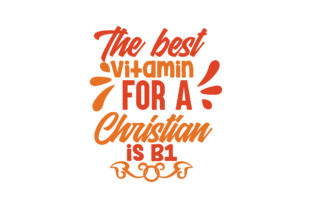
If you have spent any time in Christian craft, design, or digital content spaces, you have likely encountered the clever wordplay: "The Best Vitamin for a Christian is B1." It is a simple, memorable pun that lands with a smile—and a point. The phrase plays on the similarity between "vitamin B1" and "Bible," suggesting that scripture is the essential spiritual nutrient for believers. What started as a church bulletin board pun has evolved into a popular quote in the SVG cut file community, where crafters, designers, and content creators turn it into physical and digital assets.
But beyond the charm of the phrase, there is a practical question for anyone who works with SVG cut files, faith-based content, or both: how do you take a concept like "The Best Vitamin for a Christian is B1" and integrate it meaningfully into your workflow? Whether you run a small Etsy shop, create content for a ministry, design discipleship materials, or simply make gifts for your community, this quote as an SVG cut can fit into a broader process of creation, distribution, and everyday use.
This article explores what this SVG cut is, where it belongs in your workflow, how to use it across different contexts, and how to get the most out of it without wasting time, material, or creative energy.
Understanding the SVG Cut and Its Role in Your Process
An SVG (Scalable Vector Graphics) cut file is a digital design that can be used with cutting machines like Cricut, Silhouette, Brother ScanNCut, and laser cutters. The "The Best Vitamin for a Christian is B1" quote is widely available as an SVG cut file from Christian designers on platforms like Etsy, Creative Fabrica, Design Bundles, and independent shops. Some versions include ornate crosses, floral elements, or simple typography. Others are minimal and designed for vinyl, paper, or wood.
In a practical sense, the SVG cut is the starting point. It is not the finished product. It is a digital asset that goes through a process: you download it, import it into your design software, size it, prepare your material, cut it, weed it, transfer it, and then apply it to a final surface. This chain of actions is where the real work happens. Understanding this quote as a component in a larger production process helps you plan better, avoid mistakes, and produce consistent results.
For the Christian creator, this is not just a design project. It is a way to communicate a truth. The SVG cut becomes a vehicle for the message. Thinking of it as part of a workflow, rather than a one-off craft, opens up opportunities for scale and repetition.
Before a Project: Planning and Preparation
Before you even open your cutting machine software, the quote SVG can serve as a prompt for planning. Ask yourself: what is the end goal? If you are creating items for a church event, a small group study, a youth camp, or a personal devotion space, the B1 quote can anchor your design direction.
Preparation steps include:
- Material selection: Decide whether you are cutting vinyl, heat transfer vinyl (HTV), cardstock, chipboard, or basswood. The SVG file itself is resolution-independent, but the material dictates blade depth, pressure, and speed settings.
- Sizing and layout: Measure the surface where the final piece will go. A mug, a tote bag, a wall sign, or a notebook cover all require different dimensions. Plan for bleed and margins.
- Color choices: The quote often benefits from a single color to keep the pun readable. But you can also layer colors for the word "B1" or add a cross graphic. Plan your color palette ahead to avoid wasting vinyl.
- Backup files: Keep a master SVG file and a working file in your software (like Cricut Design Space, Silhouette Studio, or LightBurn). This prevents re-downloading and ensures you have the original if edits are needed.
Treating the SVG cut as a project anchor rather than a stand-alone graphic helps you move from impulse to intentional creation.
During the Cutting Process: Execution and Quality Control
When you move from planning to cutting, the SVG file becomes your blueprint. The quality of your result depends on how well you manage the execution phase.
- File import and check: After importing the SVG, check for open paths, overlapping nodes, or missing elements. Many SVG cut files are pre-optimized, but it is wise to zoom in and verify that "B1" is clearly defined and not merged into other shapes.
- Weed and transfer: The quote has a moderate level of detail. The letters are straightforward, but the "1" and the colon after "B1" can be small. Use weeding tools with a fine tip to remove excess vinyl. A good lighting setup helps.
- Test cut: If you are using a new material or a new blade, cut a small test square first. Adjust pressure and depth settings to ensure clean cuts without tearing the backing.
- Layering complexity: If your design includes two or more colors (for example, black text and a gold cross), plan your cut order. Most machines cut one color at a time. Register marks or manual alignment methods keep layers in place.
Quality control during this phase is about consistency. If you are making 50 items for a church group, each one should look as clean as the first. Checking your machine's blade and mat condition regularly prevents mid-project failures.
After the Cut: Application, Distribution, and Use
Once the cut is applied to its final surface, the SVG file has done its job. But the workflow continues. Post-production steps matter for durability and presentation.
- Application technique: For adhesive vinyl, use transfer tape and a squeegee to avoid bubbles. For HTV, follow time and temperature guidelines for your material. Iron-on applications require even pressure and a flat surface.
- Curing and sealing: If you apply the quote to a surface that will be washed or handled, consider sealing with a clear coat or using a permanent vinyl. For wood signs, a light sealer protects the cut design.
- Packaging and presentation: If you sell or gift these items, clean packaging reinforces the quality. A simple card with the scripture reference adds context.
- Feedback loop: Pay attention to how the finished item is received. If people love the quote but find the font hard to read from a distance, adjust your sizing for future runs.
The post-cut phase is also where you decide whether to create a digital version for social media, blog posts, or printables. The same SVG can be exported as a PNG for online use, extending its life beyond physical crafting.
Integrating with Other Tools, Assets, and People
The "Best Vitamin for a Christian is B1" SVG cut rarely works in isolation. It interacts with several resources and decisions.
Design Software and Platforms
Your cutting machine's native software is the primary tool, but you might also use Adobe Illustrator, Inkscape, or Canva to modify the file before cutting. Some designers sell the SVG with a corresponding PNG and DXF, which gives you flexibility. If you are producing content for both physical and digital channels, keeping the SVG as an editable master allows you to repurpose the quote for web graphics, presentation slides, or printable wall art.
Scripture and Study Resources
The pun works because it points to the Bible. Consider pairing the physical cut with a small card or QR code linking to a reading plan or a verse like 1 Peter 2:2, which talks about craving pure spiritual milk. This turns a decorative item into a conversation starter or a discipleship tool. If you create for a small group, you can bundle the cut item with a study guide or a journal.
Other Creators and Suppliers
If you source SVG files from other designers, keep a folder of your purchased files organized by theme. This quote might pair well with other faith-based SVGs: crosses, doves, scripture verses, or minimalist church graphics. Collaborating with other Christian creators on a bundle or a themed collection is also a viable workflow if you sell products.
Event and Ministry Calendars
The B1 quote is not seasonal, which is a strength. It works for VBS, Sunday school, small groups, women's retreats, youth gatherings, and everyday home decor. Mapping your production to your ministry calendar helps you batch create efficiently. For example, produce a batch of B1 items in January for use throughout the year, rather than scrambling before each event.
Practical Implementation Tips for Long-Term Use
To make the most of this SVG cut over time, focus on a few key areas.
Organization
Name your file clearly: "B1-Vitamin-Quote-Cross-Design.svg." Store it in a folder with other Christian quotes. If you modify the design (changing font, adding elements, resizing for a specific project), save a new version. File naming conventions save you from searching through dozens of untitled designs.
Consistency
If you produce items for a church or a brand, maintain a consistent color palette and material choice. Using the same SVG but on different bases (mugs, shirts, canvas) creates a cohesive look across your product line.
Efficiency
Batch cutting is your friend. If you need ten signs, cut all the vinyl at once, weed everything in one session, and apply transfers in one go. This reduces setup and cleanup time. The SVG file stays the same; only the repetition increases.
Quality Assurance
Before you commit to a large run, make one finished piece. Test it under real conditions. Wash the mug, set the sign in sunlight, or pin the shirt to a display. This reveals any issues with material longevity, readability, or adherence. Adjust your process accordingly.
Repurposing
Do not let the SVG sit unused after one project. Use the same design for a different medium. A wall decal version can become a notebook cover, a tote bag, or a digital wallpaper. The message is versatile, and the SVG format is inherently reusable.
Useful Observations on Integration and Usability
One of the strengths of the "Best Vitamin for a Christian is B1" quote is its low barrier to entry. It is a simple phrase with a clear message. This makes it an excellent starting point for beginners learning their cutting machine, while still being useful for experienced creators who need a reliable design for bulk orders.
From a usability standpoint, the SVG file should be clean and well-constructed. If you purchase from a designer, look for files that have been tested on common machines. Read reviews that mention cut quality. A poorly designed SVG with overly thin strokes or disconnected letters will cause frustration at the weeding stage. If you design your own, keep stroke widths consistent and avoid overly ornate script fonts that sacrifice legibility for style.
For those who create digital content, the same quote can be used in blog posts, social media graphics, and email newsletters. A clean PNG export from the SVG gives you a ready-made visual. Pair it with a short devotional or a behind-the-scenes look at your crafting process to engage your audience.
The quote also works well as a freebie or lead magnet. Many Christian creators offer a free SVG cut file to build their email list. The B1 quote is a strong candidate because it appeals to a broad segment of the faith-based crafting community. It is not controversial, it is memorable, and it invites sharing.
Making the Quote Part of a Sustainable Creative Practice
If you create regularly, treat each SVG file as a tool in a larger system. The B1 quote is not just a one-time project. It can become a recurring element in your work. You might produce a new variation each quarter: a fall-themed version with leaves, a spring version with flowers, or a monochrome version for minimalist spaces. Each variation builds on the original file, saving you time and providing fresh content for your audience or customers.
For those using the quote in a personal or ministry context, integrate it into your devotional habits. Place the finished piece where you will see it daily. Let it serve as a visual reminder of why you create: to share truth, encourage others, and glorify God. This keeps the workflow grounded in purpose, not just process.
Finally, remember that the SVG cut file is a means, not an end. The best process is one that allows you to create consistently without burnout. Use templates, batch your work, maintain your tools, and keep your files organized. When the quote becomes part of a reliable workflow, you free up mental energy to focus on the message itself.
The next time you open that SVG file, you are not just cutting vinyl. You are preparing a tool for conversation, discipleship, and creativity. The best vitamin for a Christian is B1—and with the right process, that truth can find its way into hands, homes, and hearts.