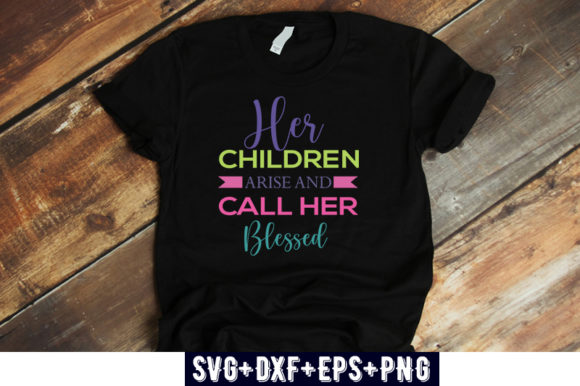
The Enduring Relevance of Christian Quotes: Why "Her Children Arise" Resonates Today
In an era of constant digital noise and shifting cultural priorities, a growing number of professionals, creators, and entrepreneurs are turning to timeless sources of wisdom for grounding and direction. Among the most resonant are Christian quotes, with one particular phrase from Proverbs 31:28—"Her children arise and call her blessed"—gaining notable traction across online platforms, leadership discussions, and personal development circles. This once-obscure verse is now being reexamined not simply as a religious sentiment, but as a powerful framework for legacy, influence, and intentional living.
What explains this surge in attention? The phrase, often referenced in Christian quotes about family, virtue, and honor, speaks directly to modern yearnings for authenticity, meaningful impact, and work-life integration. For entrepreneurs building brands, creators shaping culture, and professionals navigating complex careers, the idea of being "called blessed" by those closest to you—your literal or figurative "children"—has become a compelling metric of success. This article explores the context, relevance, and practical applications of this theme, and why it matters far beyond its biblical origins.
Understanding "Her Children Arise" in Context
The full verse, found in Proverbs 31, describes a woman of noble character whose household trusts her, whose work brings provision, and whose wisdom is respected. "Her children arise and call her blessed; her husband also, and he praises her." In its original setting, this is a culmination of a poetic description of a virtuous life—one marked by diligence, compassion, foresight, and reverence. The phrase "arise" implies not just physical standing, but a posture of honor and recognition. It is a public acknowledgment of worth and influence.
Within the broader collection of Christian quotes, this particular line stands out because it shifts the focus from external achievement to relational legacy. It asks a deeply penetrating question: Are the people who know you best the ones who honor you most? This reframing is precisely what attracts modern audiences who are tired of superficial metrics like follower counts or quarterly earnings. The verse offers a counter-cultural definition of success—one rooted in the quality of your impact on those closest to you.
For the professional or entrepreneur, this is a powerful lens. It suggests that the most enduring work you will ever do is not a product, a campaign, or a company, but the imprint you leave on the lives of others—your team, your family, your community. Christian quotes like this one function as shorthand for a value system that prioritizes character over charisma and legacy over metrics.
Why This Theme Is Gaining Attention Now
Several converging trends explain the renewed interest in this specific verse and the genre of Christian quotes it represents. First, there is a widespread fatigue with hustle culture and performance-based identity. Professionals are increasingly questioning the cost of relentless ambition. The pandemic, remote work shifts, and broader conversations about mental health have accelerated a search for meaning that transcends financial gain. In this context, "Her children arise" offers a vision of success that does not require burnout or neglect of relationships.
Second, the rise of personal branding and thought leadership has pushed many to consider their narrative and legacy. Creators and entrepreneurs are asking, "What will I be remembered for?" Christian quotes about honor, legacy, and character provide a ready vocabulary for these conversations. They anchor personal stories in something larger than oneself, lending depth and credibility to a professional brand. When a founder cites Proverbs 31 in a company mission statement or a LinkedIn post, they signal values of stewardship, responsibility, and long-term thinking.
Third, there is a demographic shift. Millennials and Gen Z, while less institutionally religious than previous generations, report high levels of interest in spirituality, purpose, and ancient wisdom. They are drawn to Christian quotes that feel universal rather than dogmatic. "Her children arise" transcends sectarian boundaries. It speaks to anyone who cares about mentorship, parenting, leadership, and leaving a positive mark. This universality makes it a bridge between the sacred and the secular, appealing to a broad audience of seekers.
Broader Industry and Lifestyle Connections
The relevance of this theme extends into multiple domains. In the business world, the concept of "servant leadership" has gained significant traction. Leaders who invest in developing their teams, who prioritize psychological safety, and who model integrity are often described with language that echoes Proverbs 31. Christian quotes about honor and legacy provide a concise way to articulate these values. For instance, a leadership coach might use "Her children arise" to illustrate the idea that true influence is measured by the willingness of others to follow—not because of authority, but because of respect.
In the creative and content creation space, authenticity is paramount. Audiences can detect inauthenticity instantly. Creators who ground their work in genuine values—often expressed through personal stories, including faith traditions—tend to build deeper loyalty. Christian quotes offer a rich source of timeless material that resonates emotionally and morally. A blogger or podcaster exploring themes of motherhood, entrepreneurship, or legacy can use "Her children arise" as a thematic anchor, weaving it into discussions about balancing ambition with family, or defining success on one's own terms.
In the lifestyle and wellness sector, there is growing interest in holistic success—health, relationships, purpose, and financial stability. Christian quotes about virtue and honor fit naturally into this framework. They provide a moral spine for content that might otherwise feel shallow or trend-driven. A wellness coach, for example, could frame a program around the idea that true well-being includes being a source of blessing to others, using the verse as a touchstone.
Practical Examples of Modern Application
Consider the case of a female founder of a mid-sized tech company. She regularly references Proverbs 31 in team meetings, not in a religious way, but as a conversation starter about values. She asks her leadership team: "If our 'children'—our employees, our customers, our community—were to rise and speak about us, what would they say? Would they call us blessed? Would they honor our contribution?" This reframing shifts performance reviews from purely quantitative to qualitative, encouraging a culture of care and excellence simultaneously.
Another example: A freelance writer and mother of three uses the phrase as her personal mission statement. She has it framed in her home office. It reminds her that her most important audience is not her clients, but her children. When she takes on projects, she evaluates them not just by income, but by whether they allow her to be present and engaged at home. This verse helps her set boundaries and prioritize without guilt. She has written about this on her blog, attracting a loyal readership of other working parents who resonate with the tension and the resolution found in this ancient wisdom.
A third example involves a marketing agency that adopted "building a blessed legacy" as part of its brand ethos. They use the concept in client pitches, explaining that their approach is not just about short-term metrics but about creating campaigns that enhance reputation and trust over time. They reference Christian quotes about integrity and honor as part of their creative briefs, helping clients think beyond the immediate conversion. This has differentiated them in a crowded market.
Changing Needs, Preferences, and Expectations
The growing attention to "Her children arise" reflects a deeper shift in what people expect from their work and their lives. There is a move away from transactional relationships toward transformational ones. Professionals no longer want to merely exchange time for money; they want to contribute to something meaningful. Entrepreneurs want to build businesses that serve people, not just extract value. Creators want to influence culture positively, not just accumulate views.
Christian quotes like this one help articulate these evolving expectations. They provide a language for discussing impact that goes beyond the spreadsheet. They validate the intuition that success should feel good not just in the bank account, but in the soul. For many, this is not about returning to organized religion, but about reclaiming a sense of sacredness in everyday work and relationships.
Moreover, there is a growing recognition that the most influential people in history were not the wealthiest or most famous, but those who were deeply loved and respected by those who knew them intimately. This realization elevates the importance of character, consistency, and care. In a world of fleeting fame and viral moments, the kind of honor described in Proverbs 31 is refreshingly substantive. It takes years to build and cannot be faked.
Connecting to Larger Developments
The interest in Christian quotes with this depth is part of a larger cultural movement toward values-based living and purposeful work. We see it in the rise of B Corporations, in the emphasis on ESG (Environmental, Social, and Governance) criteria in investing, and in the popularity of movements like "slow living" and "intentional community." People are hungry for frameworks that help them navigate complexity with integrity. Christian quotes offer a rich, time-tested resource for that guidance.
Technology has also played a role. Social media platforms allow niche communities to form around shared texts and interpretations. A single verse can be shared, discussed, and recontextualized by thousands of people, each applying it to their own circumstances. This democratization of wisdom means that a proverb from ancient Israel can become a touchstone for a modern entrepreneur in Singapore, a mother in Brazil, or a designer in Germany. The universality of the message, combined with the reach of digital networks, amplifies its impact exponentially.
Furthermore, the conversation around mental health and well-being has opened the door for discussions about meaning and purpose that were once confined to religious settings. Therapists, coaches, and thought leaders now routinely incorporate spiritual and philosophical concepts into their work, recognizing that human flourishing requires more than just symptom management. Christian quotes about honor, legacy, and blessedness naturally find a place in this integrative approach.
Observations for the Discerning Reader
For the professional seeking to engage with this theme authentically, a few observations are worth considering. First, the power of "Her children arise" lies not in its poetic beauty alone, but in its call to action. It is a description that implies a prescription: live in such a way that this honor is earned. It invites self-examination and intentionality. Second, it is deeply relational. It does not measure success in isolation, but in the context of community. This is a crucial counterpoint to the hyper-individualism of modern culture.
Third, the verse is inherently optimistic. It assumes that blessing and honor are possible, that they are worth pursuing, and that they endure. This hope is a powerful antidote to cynicism, which is a common occupational hazard for those immersed in competitive industries. By keeping this vision in mind, professionals can sustain their motivation and resilience over the long haul. Christian quotes like this one become anchors in a stormy world.
Finally, it is important to use such quotes with respect and context. For those who come from a faith tradition, they are sacred texts. For others, they are profound wisdom literature. The key is to engage with them genuinely, without co-opting or trivializing their meaning. When used well, they enrich conversations, deepen relationships, and elevate the tone of professional discourse.
Conclusion: A Timeless Resource for a Modern World
The phrase "Her children arise and call her blessed" is far more than a line from an ancient poem. Within the vast treasury of Christian quotes, it stands as a luminous example of how enduring wisdom speaks directly to the human condition across millennia. For today's professionals, creators, and entrepreneurs, it offers a compelling vision of success that is relational, legacy-minded, and deeply fulfilling. It answers the longing for a life that matters, measured not by what you accumulate, but by what you contribute to the lives of others.
As you navigate your own career and personal journey, consider the question this verse poses: Will those who know you best rise up and call you blessed? The answer is not in the quote itself, but in the daily choices you make—in your work, in your relationships, and in the integrity you bring to both. That is the lasting relevance of this ancient wisdom, and why it continues to capture the attention of thoughtful people everywhere.