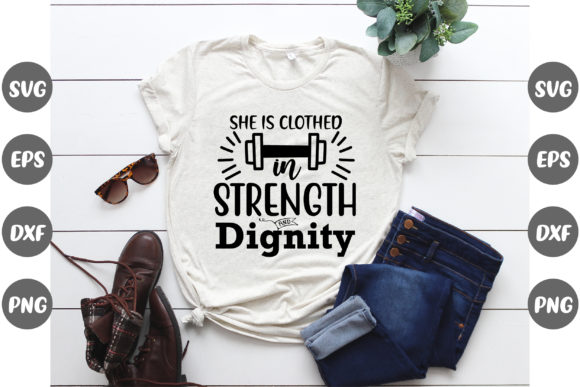
She Is Clothed in Strength and Dignity: Christian Design for Real Life
You have probably seen the phrase somewhere—on a beautifully lettered print in a friend’s living room, on a digital wallpaper in a brand strategy deck, or stitched into the corner of a handmade journal. The words “she is clothed in strength and dignity” carry weight far beyond their popular status as a Proverbs 31 tagline. For creators, entrepreneurs, and everyday users, this piece of Scripture has quietly become a foundation for visual identity, personal branding, and even product design. But what does it actually mean to build something around this verse, and more importantly, where does Christian design like this fit into the messy, practical reality of a Tuesday afternoon?
Let’s unpack what “Christian Design, She Is Clothed in…” really looks like when it leaves the Pinterest board and lands in your hands, your shop, your classroom, or your business.
What Christian Design, She Is Clothed in… Actually Is
At its core, Christian design that centers on “she is clothed in strength and dignity” is visual and conceptual work rooted in the identity language of Proverbs 31:25. This is not just about slapping a Scripture verse onto a neutral background. The design itself—the choice of typeface, the color palette, the illustration style, the print finish—becomes part of the message. Strength and dignity are not just words to read; they are elements to experience through form and composition.
Think about it this way: a hand-lettered print in warm earth tones with a sturdy serif font communicates something different from the same verse in a delicate script on a pastel background. Christian design in this space is intentional about matching the visual tone to the theological weight. Whether you are creating a digital template for a women’s ministry event or designing a product line for a faith-based boutique, the design choices either reinforce or undermine the Scripture you are using.
This kind of design shows up in physical products—art prints, greeting cards, apparel, home decor, stationery—and in digital assets like social media templates, website headers, presentation slides, and email newsletters. It is used by individuals who want to embed their faith into their everyday environment and by businesses that serve a Christian audience. The key difference between this and generic Christian merchandise is the intentional connection between the visual aesthetic and the identity statement of being “clothed” in strength and dignity.
In Personal Spaces: More Than Decor
One of the most common places people bring Christian design like this is into their own homes. A framed print in the entryway, a throw pillow in the living room, or a wall decal in a home office. But here is the thing—this is rarely just decoration. When someone chooses to place “she is clothed in strength and dignity” in a spot they pass every day, they are using design as a daily anchor. That visual reminder becomes part of their mental rhythm. For a woman navigating a demanding career, a difficult season of parenting, or a personal health challenge, seeing that phrase in a thoughtfully designed format can be the kind of quiet reinforcement that shifts a mindset.
I have watched friends do this intentionally. One friend put a small print above her bathroom mirror, where she gets ready every morning. She told me it changed how she saw herself—not because the design was fancy, but because the combination of a beautiful visual and a true statement created a small ritual of identity reinforcement.
In Creative Work: Branding That Carries Meaning
For Christian creatives—graphic designers, illustrators, calligraphers, and content creators—this verse is a recurring client request. But the best work happens when the designer moves beyond a simple text layout and builds a full visual system around the concept. A blog designer might create a header that uses layered textures, muted golds, and hand-drawn lettering to evoke both strength (through bold structure) and dignity (through refined details). A brand strategist working with a Christian life coach might use this theme as the foundation for the entire brand identity, choosing colors and typography that communicate steadiness and grace.
Where this gets practical is in the portfolio. A designer who can show multiple executions of a single Scripture concept demonstrates flexibility and depth. One client might need a minimalist black-and-white version for a sober, professional look. Another might want watercolor florals and soft brush lettering for a more feminine, gentle feel. The design itself becomes a tool for translating the same truth into different visual languages.
In Business and Entrepreneurship: Products That Serve a Community
Small business owners who run faith-based shops, Etsy stores, or Christian subscription boxes regularly use this design theme. A shop owner might create a line of journals where each cover features a different translation or artistic treatment of the verse. A stationery brand could release a set of notecards with “she is clothed in strength and dignity” on the front and a blank interior for personal messages. The product becomes both a saleable item and a ministry tool.
What I have noticed in successful Christian product lines is that the design quality directly affects how seriously customers take the message. A poorly printed, cheap-looking product undermines the dignity part of the verse. Customers who buy these items are often looking for something they can give as a gift, use as a conversation starter, or display proudly in a professional setting. They need the physical product to match the spiritual substance.
In Educational and Ministry Settings: Teaching Through Design
Youth group leaders, women’s ministry coordinators, and Christian school teachers use this design in surprisingly varied ways. A retreat workbook might feature the phrase as a chapter heading or a margin note, with design elements that tie back to the theme of clothing and identity. A sermon series on Proverbs 31 could include a full visual campaign—slides, handouts, social media graphics, and even name tags—all built around a cohesive design system.
In these settings, the design is not just decoration. It is a teaching aid. When a participant sees the same visual language repeated across multiple touchpoints, the message sticks differently. A well-designed handout that uses consistent typography and imagery communicates care and intentionality, which reinforces the dignity the verse is talking about.
In Digital Content: Social Media and Beyond
For bloggers, influencers, and content creators in the Christian space, this design theme is a staple. A Pinterest pin with a beautiful treatment of “she is clothed in strength and dignity” can drive traffic for years. Instagram posts, story templates, and YouTube thumbnails all benefit from consistent visual branding around this idea. The challenge is avoiding the generic. The best digital content in this niche uses original design—custom lettering, unique color palettes, and thoughtful composition—rather than stock templates that dozens of other accounts are using.
One content creator I follow built an entire series around reimagining Proverbs 31 for modern women. Each week she featured a different design treatment of a single verse, paired with a short reflection. Her audience grew because the design work itself was worth sharing. People saved the posts, printed them out, and requested prints. The design became the engine for the ministry.
What to Consider Before You Dive In
Before you commission a piece of Christian design, buy a product, or create your own, there are a few practical things worth thinking through. These considerations apply whether you are a creative professional, a business owner, or just someone who wants a meaningful piece of art in your home.
Audience and Context Matter
The same design that works beautifully in a women’s retreat booklet might feel out of place in a mixed-gender professional setting. If you are using “she is clothed in strength and dignity” as part of a brand or product line, think about who will see it and where. A bold, modern design might resonate with younger audiences, while a classic, elegant style might appeal to an older demographic. There is no single right answer, but the wrong answer is usually the one that ignores the audience entirely.
Quality Signals Value
If you are producing physical items, the materials matter. A print on cheap, thin paper with low-resolution ink undermines the message. Dignity is communicated through quality—thick cardstock, archival inks, clean cuts, sturdy frames. For digital products, resolution and file format matter just as much. A blurry social media graphic or a pixelated print file does not honor the Scripture it displays. Do not let poor production quality dilute a powerful message.
Originality Sets You Apart
The Christian design market is crowded. Thousands of shops sell Proverbs 31 prints. What makes your version different? The answer should be in your design choices. Commission custom lettering instead of using a generic font. Choose a color palette that is unique to your brand or personal taste. Add an illustration element that is personally meaningful. The goal is not to be completely unlike anything else, but to be distinctly yours. Users notice when a design feels personal rather than pasted.
Licensing and Usage Rights
If you are hiring a designer or buying a digital template, pay attention to what you can and cannot do with it. Some designs come with a commercial license, allowing you to use them on products you sell. Others are for personal use only. If you plan to use Christian design in your business, make sure you have the rights to do so. This is a practical step that too many people skip, and it can lead to problems down the road.
How Different Users Benefit in Different Situations
- A freelance graphic designer: Uses this theme to build a niche portfolio that attracts faith-based clients. Every project becomes a case study in translating truth into visual language.
- A small business owner: Creates a product line around this verse and uses it as a signature item. The design becomes a recognizable part of the brand identity, and customers return because they trust the quality and message.
- A blogger or content creator: Develops a consistent visual series around the theme, driving engagement and shares. The design work itself becomes shareable content, expanding the reach of the message.
- A women’s ministry leader: Uses a coordinated design system for an event or study series, creating a cohesive experience that participants remember and talk about.
- A busy mom or professional: Chooses a single piece of art for a personal space and uses it as a daily touchpoint. No design skills required—just the intentional choice to put truth where it can be seen.
- A Christian school or educator: Incorporates the design into classroom materials, reinforcing identity language in a learning environment where students need encouragement.
Practical Scenarios That Make This Real
Imagine a freelance brand designer working with a Christian life coach. The coach wants her brand to communicate strength and dignity. The designer builds a full identity system around the phrase, choosing a deep navy and warm gold palette, a custom monogram, and a wordmark that uses a sturdy serif with gentle curves. The result is a brand that feels both authoritative and approachable. The coach uses it on her website, her coaching workbook covers, and her email templates. Her clients consistently comment that the brand feels “solid” and “graceful”—exactly the qualities the verse describes.
Now picture a stay-at-home mom who runs a small Etsy shop from her dining table. She buys a commercial-use digital file of a hand-lettered design and prints it on high-quality cardstock. She frames a few for her own home and uses the rest as inserts in greeting cards she sells. Her customers are often women buying gifts for friends going through hard seasons. The product is simple, but the design is thoughtful, and the message resonates. She sells out of her first batch because the combination of quality printing and meaningful design meets a real need.
Finally, consider a college student who wants to put something encouraging above her desk. She is not a designer, but she finds a downloadable wallpaper for her laptop that uses the verse with a clean, modern layout. Every time she opens her computer to study, she sees it. Over the semester, that small visual anchor becomes a quiet source of confidence. She does not buy anything, she does not sell anything, but the design still serves its purpose.
Christian design centered on “she is clothed in strength and dignity” works best when it is not treated as a trend but as a tool. It can anchor a home, define a brand, build a business, or simply remind one person of who they are. The most effective applications come from understanding the specific where, when, and why of your situation. Design that honors Scripture does not need to be complicated, but it does need to be intentional. When the visual and the verbal align, the message lands in a way that plain words on a plain page cannot achieve.