Serve Worship and Glorify Christian T-Shirt Design: A Practical Evaluation for Faith-Focused Apparel
For many Christians, clothing is more than fabric and stitching. It becomes a medium for personal conviction, a conversation starter, or a quiet reminder of faith throughout the day. The concept behind Serve Worship and Glorify Christian T-shirt Design centers on creating apparel that intentionally reflects a life oriented toward service, worship, and glorifying God. Unlike generic faith-based slogans, this design framework emphasizes a holistic message that integrates three distinct yet interconnected postures of the Christian life: serving others, worshipping God, and glorifying Him in all things.
If you are exploring this design concept, you are likely evaluating whether it aligns with your personal expression, your ministry's identity, or your retail assortment. This article walks through what this design approach entails, why it appeals to many believers, and how to assess whether it fits your specific context. We will also examine tradeoffs, practical considerations, and scenarios where alternative design directions may serve you better.
Understanding the Serve Worship and Glorify Design Framework
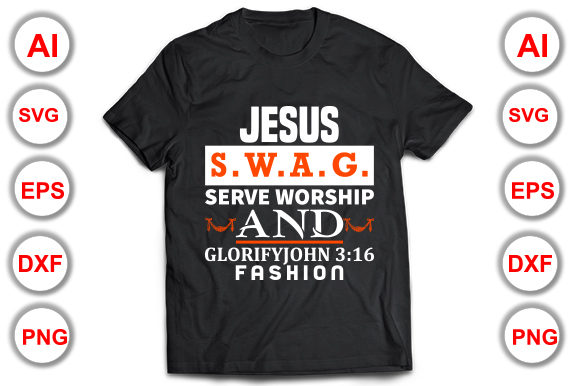
Serve Worship and Glorify Christian T-shirt Design is not a single graphic or a fixed layout. Rather, it is a thematic structure that weaves together three foundational Christian commitments. The word "serve" points to acts of humility and love toward others. "Worship" directs attention to reverence and adoration of God. "Glorify" encapsulates the ultimate purpose of bringing honor to God in every action. When these three concepts appear together on a T-shirt, they create a integrated message that encourages the wearer and the observer to consider the breadth of the Christian calling.
Designs in this category typically employ typography as the primary visual element, often arranging the three words in a deliberate hierarchy or sequence. Some variations use scripture references alongside each term, while others rely on symbolic imagery such as a cross, a towel and basin, or an upward-reaching hand to reinforce each component. The color palette tends toward muted, earthy tones or classic black and white, though bolder colors appear in designs aimed at younger demographics or event-specific merchandise.
What distinguishes this design approach from a simple three-word list is the intentionality behind the sequence and the visual integration of the concepts. The best designs do not feel like a checklist; they feel like a unified declaration of purpose. That is the standard against which any evaluation should begin.
Why This Design Concept Attracts Attention
Several factors draw people toward Serve Worship and Glorify Christian T-shirt Design. The most significant is its theological depth. Many faith-based T-shirts rely on a single word, a short phrase, or a Bible reference. While those can be meaningful, they sometimes lack the breadth that a multi-faceted message provides. By combining serve, worship, and glorify, the design invites a richer reflection on how faith operates in daily life.
Another reason is versatility. Because the message is general enough to apply across denominational lines, it can work in a wide range of settings: Sunday services, small group gatherings, community service events, worship concerts, or even casual everyday wear. The design does not tie itself to a specific season or campaign, which gives it longevity in a wardrobe.
There is also a growing desire among Christians to wear clothing that sparks meaningful conversations. A design that presents three distinct yet connected ideas gives the observer something to ask about. "What do you mean by serve, worship, and glorify?" becomes an opening for dialogue about personal faith, rather than a mere acknowledgment of a familiar slogan.
Benefits of Choosing This Design Direction
When executed well, Serve Worship and Glorify Christian T-shirt Design offers several practical benefits. First, it provides a cohesive identity for groups or ministries. A church team serving at a local outreach event can wear shirts that communicate not just a logo but a mission statement woven into the fabric. This reinforces the group's purpose both internally and externally.
Second, it supports personal spiritual reflection. The wearer is reminded throughout the day of three key postures: to serve rather than be served, to worship rather than merely exist, and to glorify God rather than seek personal recognition. For individuals who value intentionality, this is a meaningful benefit beyond aesthetics.
Third, from a design perspective, a three-word concept allows for creative typographic and graphic treatments that a single word does not. Designers can play with scale, orientation, color blocking, and symbolic integration in ways that produce a visually engaging product. This opens up possibilities for both minimalist and elaborate styles, depending on the target audience.
Tradeoffs and Considerations to Weigh
No design concept is without tradeoffs, and this one has several that deserve honest consideration. The most notable is the risk of visual clutter. Three conceptual words, especially when paired with supporting imagery or scripture references, can easily overwhelm a T-shirt's limited canvas. A design that tries to say everything may end up saying nothing clearly. The solution lies in disciplined editing: prioritize one element as the focal point and let the other two support it without competing.
Another tradeoff is the potential for the message to feel generic. While broad applicability is a strength, it can also be a weakness. In a marketplace saturated with faith-based apparel, a design that simply lists three noble concepts may fail to stand out. The challenge is to infuse the design with distinctive visual character, whether through custom typography, unique color palettes, or subtle symbolic details that add layers of meaning without adding noise.
There is also the consideration of audience perception. Some wearers may feel that a design focused on "serve" and "glorify" sets an expectation they cannot consistently meet. This is not necessarily a flaw in the design itself, but it is worth acknowledging that faith-based apparel can sometimes carry a weight that feels performative. A well-crafted design should invite, not pressure.
When This Design Is a Strong Fit
Serve Worship and Glorify Christian T-shirt Design works exceptionally well in contexts where a group or individual wants to communicate a holistic faith message. Church mission teams, worship ministry volunteers, and service-oriented small groups are natural fits. The design can serve as a unifying garment for events such as community clean-ups, food bank distributions, or worship nights.
It is also a strong choice for individuals who prefer clothing that prompts personal reflection rather than external declaration. If you are someone who wants your clothing to quietly orient your own heart throughout the day, rather than broadcast a statement to others, this design style supports that internal focus while still being visible.
For retailers and ministry buyers, this design category offers a product that can sit on a shelf year-round rather than being tied to a holiday or seasonal campaign. That makes it an efficient addition to an inventory that needs versatile, evergreen options.
When Alternatives May Serve Better
There are situations where a different design approach may be more appropriate. If you need a T-shirt for a very specific event, such as a one-time conference or a short-term mission trip, a design that includes the event name, date, or a targeted scripture may be more useful than a general three-concept layout. Specificity creates memorability in those contexts.
If your audience skews younger or trend-focused, a more minimalist design with a single bold word or a contemporary graphic may have greater visual appeal. The three-concept approach can feel wordy or old-fashioned to some demographics, especially if the typography is traditional. Testing the design with a sample group before committing to a full production run is a wise step.
Another alternative worth considering is a design that focuses on just one of the three concepts. For example, a shirt that says only "Serve" with a related image may resonate more deeply with a group that has a particular emphasis on service. By narrowing the focus, you gain clarity and emotional weight that can be diluted when multiple concepts are present.
Practical Decision-Making Insights
If you are evaluating whether Serve Worship and Glorify Christian T-shirt Design aligns with your goals, start by clarifying your primary use case. Ask yourself: Will this shirt be worn in a group setting, or by individuals? Is the goal to unify a team, to equip personal devotion, or to offer something for retail sale? The answer will guide your design choices, from layout complexity to fabric selection.
Next, consider the visual hierarchy. In any design featuring three distinct ideas, one must lead. Decide whether serve, worship, or glorify holds the primary emphasis for your context. If your group is service-oriented, lead with "serve." If your setting is a worship gathering, lead with "worship." Let that decision shape font size, placement, and supporting imagery.
Test readability. A T-shirt is not a poster. The design must be legible from a conversational distance and comfortable at a glance. Print a sample and view it from several feet away. Ask people who are not familiar with the concept to describe what they see. If they cannot quickly grasp the message, simplify.
Finally, weigh the cost of production. Multi-word designs with custom typography or detailed imagery may require higher-quality printing methods such as screen printing with multiple screens or direct-to-garment printing. These methods increase per-unit cost, which matters for budget-conscious buyers. If cost is a constraint, simpler typographic treatments with fewer colors can preserve the message while controlling expenses.
Determining if This Design Aligns with Your Goals
Ultimately, the decision hinges on what you want the T-shirt to accomplish. If your goal is to communicate a comprehensive faith posture that integrates service, worship, and glorification into a single visual statement, this design framework offers a strong foundation. It works best when the wearer and the observer both have the space to reflect on the meaning behind the words.
If your goal is to create a sharp, trend-driven piece of apparel that makes an immediate impact with minimal text, a more focused design may serve you better. There is no universally correct answer. The right choice depends on your audience, your setting, and the depth of conversation you hope to inspire.
Serve Worship and Glorify Christian T-shirt Design is not a passing trend. It reflects a sustained desire among believers to wear their faith in a way that is thoughtful, integrated, and visible. By evaluating it carefully against your specific needs, you can determine whether it deserves a place in your wardrobe, your ministry, or your product line.