No Bunny Is Better Than Jesus: Why This Phrase Still Matters
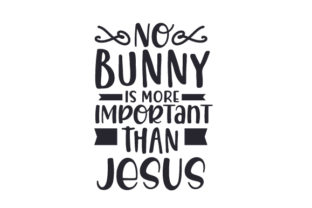
At first glance, No Bunny is Better Than Jesus sounds like a playful pun—and it is. But beneath the wordplay lies a statement that resonates with many people navigating faith, culture, and identity in a busy world. Whether you first encountered it on a T-shirt, a bumper sticker, or a social media post, the phrase sticks because it makes you pause. It invites a smile and then a question: What am I placing at the center of my life?
For adults balancing demanding careers, family obligations, creative projects, and personal growth, that question is more relevant than ever. The phrase functions as a gentle cultural critique and a personal reminder, all wrapped in a memorable, low-stakes package. It does not preach. It winks. And that is precisely why it works.
Where the Phrase Comes From and Why It Resonates
The phrasing plays on the homophone nobody and no bunny, creating a double meaning. On the surface, it is a simple declaration of faith: Jesus holds a unique, unmatched place. The bunny, meanwhile, evokes Easter imagery—chocolate rabbits, egg hunts, and springtime commercialism. For many people, Easter has become a holiday dominated by secular traditions, even as its religious significance remains central to Christian communities.
This tension between sacred meaning and cultural habit is where the phrase finds its power. It does not ask you to reject bunnies or fun. It gently reorients priorities. In a culture that constantly competes for your attention—with notifications, product launches, lifestyle trends, and endless content—No Bunny is Better Than Jesus offers a moment of clarity. It says, Remember what matters most.
People are paying more attention to this kind of messaging because it aligns with a broader shift toward intentionality. Whether in work, relationships, or faith, many adults are moving away from autopilot. They want to make conscious choices about where they invest their time and energy. A phrase like this serves as a small but effective anchor point.
How the Phrase Fits into Current Trends
Several converging trends help explain why No Bunny is Better Than Jesus has found a receptive audience among professionals, creators, entrepreneurs, and educators.
Intentional Living and Simplified Priorities
The minimalist and slow-living movements have encouraged people to cut through noise and focus on what genuinely adds value. This applies to physical possessions, digital habits, and spiritual life. The phrase acts as a shorthand for that kind of prioritization. It acknowledges that many good things compete for your attention—bunnies are cute, holidays are fun, traditions are comforting—but it asks you to identify the one thing that deserves the highest place.
Entrepreneurs and business owners, in particular, face constant pressure to chase every opportunity. Learning to say no is a survival skill. This phrase reframes that skill in a spiritual context. It is not about rejecting the world, but about knowing your center.
Authenticity in Faith Expression
Younger generations of believers increasingly value authenticity over rote religious observance. They are less interested in formal, institutional language and more drawn to expressions that feel genuine, witty, and relatable. No Bunny is Better Than Jesus fits this mold. It is not a theological treatise. It is a personal statement that someone might post, wear, or share without feeling like they are lecturing others.
For educators and faith community leaders, this opens new ways to engage adults who might feel disconnected from traditional religious vocabulary. The phrase meets people where they are—in a culture saturated with irony and marketing—and offers something sincere without being heavy-handed.
Holiday Marketing and Cultural Reflection
Easter is one of the most commercialized holidays in many countries. Between candy sales, seasonal décor, and family gatherings, the religious core can easily get buried. Consumers and creators alike have begun pushing back against shallow holiday experiences. They want celebrations that carry meaning. This phrase captures that desire in a concise, memorable way. It helps individuals and families pause and ask: What are we really celebrating?
Marketers and content creators have also noticed the appeal. Products featuring the phrase sell not just because of the pun, but because they tap into a genuine sentiment. People buy them as small declarations of identity—much like a favorite book on a shelf or a meaningful quote on a wall.
Practical Implications for Different Audiences
Understanding and using No Bunny is Better Than Jesus can have real-world applications across a range of contexts. Here is how different groups might find value in the concept.
For Creators and Bloggers
If you create content around faith, family, or seasonal traditions, this phrase offers a natural entry point. You can use it to explore the tension between cultural habits and spiritual practices. Consider writing a post about how you navigate Easter with children, balancing egg hunts with meaningful religious conversation. Or reflect on how you keep your priorities straight during a season that encourages overconsumption.
The phrase also works well as a visual element. A simple graphic with the words on a soft pastel background can perform strongly on social media, especially when paired with a personal story. The key is to avoid preaching. Let the phrase do the heavy lifting, and share your experience without prescribing it for others.
For Entrepreneurs and Business Owners
If your business serves a faith-oriented audience, this phrase can inform your branding and messaging. It signals that you understand the values of your customers without being overtly salesy. For example, a small shop selling Easter merchandise might use the phrase to differentiate itself from generic seasonal retailers. It tells customers: We get it. We share your perspective.
Beyond marketing, the principle behind the phrase applies to business leadership. Knowing your core mission and refusing to let every shiny opportunity distract you is a hallmark of sustainable entrepreneurship. Use the phrase as an internal reminder for your team. What is the Jesus of your business—the central value you will not compromise? Everything else is a bunny.
For Educators and Faith Leaders
Teaching adults is different from teaching children. Adults need connections to their lived experience. No Bunny is Better Than Jesus can serve as a discussion starter in a small group, a sermon illustration, or a theme for a seasonal workshop. Ask participants to share what bunnies have crept into their own lives—good things that have taken an outsized place. The exercise is low-pressure, relatable, and surprisingly revealing.
It also works as a memory aid. Many adults struggle to retain abstract theological concepts. A sticky phrase like this one helps them recall a deeper truth long after the conversation ends.
For Busy Professionals and Freelancers
Your schedule is packed. Your attention is fragmented. Having a clear, simple reminder of your ultimate priority can be grounding. Write the phrase somewhere you will see it daily—on a sticky note, a screensaver, or a journal cover. It is not a magic solution, but it is a prompt. It invites you to realign, even for a few seconds, before diving back into the demands of the day.
How the Topic Has Evolved and Why People Pay Attention Now
A decade ago, a phrase like No Bunny is Better Than Jesus might have circulated mainly within church bulletins or Christian bookstores. Today, it spreads through Instagram, Etsy, and Pinterest. The reason is not that faith has become more popular, but that expression has become more personal. People are curating their own symbols and statements rather than relying solely on institutional channels.
This shift gives everyday believers, not just clergy or theologians, a voice in how faith is communicated. The phrase is democratic. Anyone can use it, adapt it, or build on it. That accessibility is part of its appeal. It also reflects a broader cultural move toward remixing and personalizing traditional content. Memes, puns, and short-form media dominate digital communication. Faith expressions that work within these formats are more likely to reach new audiences.
Another reason for growing attention is the increasing discomfort with performative religiosity. Many adults are tired of faith that feels polished but hollow. They appreciate phrases that acknowledge the messiness of real life while still pointing toward something transcendent. No Bunny is Better Than Jesus does not pretend that bunnies are not appealing. It simply ranks them. That honesty is refreshing.
Realistic Observations and Recommendations
If you decide to engage with this phrase or its underlying idea, here are a few grounded suggestions.
Use it as a personal checkpoint, not a weapon. The phrase works best when it directs your own heart, not when it corrects others. Avoid using it to judge how other people celebrate holidays or prioritize their lives. Its power is introspective.
Pair it with action. A memorable phrase can inspire, but it needs follow-through. If the bunny in your life is a habit, a hobby, or a work project that has taken too much space, take one concrete step to restore balance. That might mean setting a boundary, reducing screen time, or carving out quiet moments for reflection.
Let it be simple. You do not need to turn this into a full theology course. The phrase is effective because it is brief. Honor that brevity. Use it as a touchpoint, not a textbook.
Share it generously, not aggressively. If you post it online or wear it on a shirt, expect varied reactions. Some people will smile. Others will be confused. A few might disagree. That is fine. The goal is not universal agreement. It is faithful presence.
For businesses and creators, the recommendation is similar. Incorporate the phrase where it fits naturally. A seasonal email, a product listing, or a social media caption can carry the message without forcing it. Authenticity is more important than frequency.
Looking Ahead Without Exaggeration
This phrase will not transform society. It will not replace formal worship or deep theological study. But it does not need to. Its role is more modest and more sustainable. It serves as a cultural signpost for people who want to keep their faith visible and conversational in a noisy world.
As long as holidays involve competing traditions, and as long as adults wrestle with priorities, No Bunny is Better Than Jesus will have a place. It will appear on mugs, tote bags, and comment sections. It will spark conversations between friends and inside families. It will remind people, with a wink, that not everything that competes for your attention deserves to win.
Whether you encounter it as a consumer, a creator, a leader, or simply a person trying to stay grounded, the message is the same. There is no bunny better than Jesus. And sometimes, a simple reminder is exactly what you need.