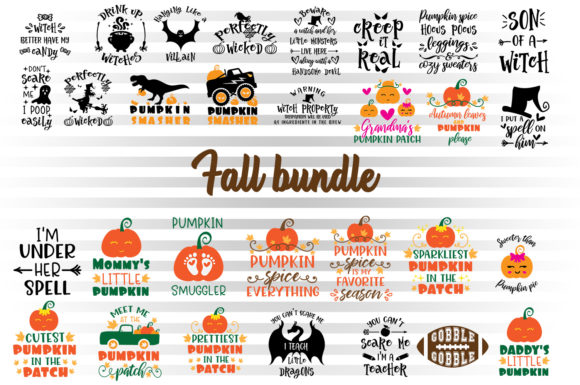
Fall Bundle: Elevate Your Design Toolkit
Picture this: you're in the middle of a tight deadline, a client needs a cohesive brand refresh before the holiday rush, and you're hunting for creative assets that actually work together without clashing. That's exactly where a well-curated collection like a Fall Bundle becomes your secret weapon—not just a random assortment of files, but a deliberately assembled set of design resources built to maintain visual consistency across every project you touch. Whether you're working on logo design, social media graphics, or editorial layouts, the right bundle can transform your workflow from chaotic to seamless.
Why a Fall Bundle Matters in Modern Graphic Design
In today's fast-paced creative environment, visual design demands more than just raw talent—it requires efficiency and cohesion. A Fall Bundle typically brings together typography families, color palette swatches, textures, icons, and layout templates that share a unified aesthetic. Instead of patching together disparate elements from different sources, you get a ready-to-use system that respects visual hierarchy and reinforces brand identity from the first glance. This matters because branding isn't just about looking good; it's about feeling intentional. When every asset speaks the same visual language, your audience perceives professionalism and trust.
From Logo Design to Digital Marketing: Real-World Applications
A versatile Fall Bundle can serve nearly every corner of your creative workflow. Consider these practical applications where such a collection shines:
- Branding and logo design – Use coordinated typefaces and icon sets to build a mark that feels native to the entire system, not like an afterthought.
- Marketing materials and advertising campaigns – Keep brochures, flyers, and digital ads visually consistent, so your message lands with clarity every time.
- Social media graphics – Quickly produce posts, stories, and banners that align with your seasonal campaigns without reinventing the wheel for each platform.
- Website and UI design – Leverage pre-matched color palette options and clean typography to create intuitive interfaces that guide users naturally through content.
- Editorial design and packaging – Achieve a polished editorial design feel or striking packaging design with textures and layouts that feel both seasonal and timeless.
- Presentations and merchandise – Impress stakeholders with decks that look custom-crafted, or extend the look onto apparel and print collateral seamlessly.
Selecting the Right Fall Bundle for Your Creative Projects
Not every bundle is created equal. When evaluating a set of creative assets, start by examining consistency—do the typefaces support the mood you're aiming for? Does the color palette offer enough range for both digital and print applications? A quality bundle should feel like a modern aesthetic system, not a grab bag of unrelated trends. Scalability is also critical: make sure icons and graphics work at both small screen sizes and large format displays without losing impact. And always check compatibility with your existing brand identity guidelines. A bundle that clashes with your core brand voice will create more friction than it solves.
Typography, Color, and Composition: The Building Blocks
Great visual communication rests on three pillars: typography, color, and composition. In a Fall Bundle, these elements should be pre-tuned to work together. Look for typefaces that offer multiple weights and styles—this gives you flexibility for headlines, body copy, and accent text without breaking visual rhythm. The color palette should include primary, secondary, and neutral tones that support strong contrast and readability. Good composition is baked into thoughtfully designed templates, but you'll still want to customize layouts to suit your specific design goals and audience expectations. When you start with assets that already respect visual hierarchy, you spend less time troubleshooting and more time creating.
Practical Tips for Integrating a Fall Bundle into Your Workflow
Once you've chosen a Fall Bundle that aligns with your creative projects, take a systematic approach. Begin by mapping out your most frequent use cases—whether it's UI design for a landing page or print design for a campaign. Test the assets in a small pilot project before rolling them out across your entire portfolio. Pay attention to readability at different sizes, and don't be afraid to adjust the color palette slightly to match your client's brand if needed. The best bundles leave room for creative interpretation while providing a strong foundation. Also, consider how the assets perform in UX design contexts: do buttons and icons communicate intent clearly? Does the typography guide the eye naturally through the interface? These small details separate average visual design from exceptional branding.
Avoiding Common Pitfalls
One mistake designers sometimes make is relying too heavily on a bundle without adapting it to the project's unique context. Even the most beautiful design inspiration needs to serve the message, not overshadow it. Avoid using every asset just because it's included—curate your selections with intention. Overloading a layout with textures and decorative elements can muddy visual hierarchy and confuse the audience. Instead, use the bundle to enhance professional presentation and streamline your design workflow. Remember that digital marketing materials and social media graphics often need to load quickly and communicate instantly, so prioritize clarity over ornamentation.
Ultimately, a thoughtfully assembled collection of creative assets like a Fall Bundle isn't just a shortcut—it's a strategic advantage for any designer or branding professional. It allows you to maintain a consistent, polished modern aesthetic across every touchpoint, from web design to packaging design, while saving precious time that you can reinvest into strategy and innovation. The next time you're planning a seasonal campaign or a brand refresh, consider how a unified set of tools can elevate your work from merely functional to genuinely memorable. Good design is about making choices that serve the audience, and starting with the right resources makes those choices much easier to execute with confidence.