Evaluating the Christmas Nativity Scene as a Visual and Narrative Tool
The Christmas nativity scene is one of the most enduring visual representations of the holiday season. For many, it is a decorative centerpiece; for others, it functions as a storytelling device, a teaching aid, or a cultural artifact. But beyond its obvious seasonal association, the nativity scene deserves a closer look as a practical resource for professionals, educators, and creators who need to communicate themes of tradition, family, and origin in visual or narrative form. This article evaluates the Christmas nativity scene from a functional perspective, helping you determine whether it fits your specific goals, audience, or workflow.
What a Christmas Nativity Scene Actually Is
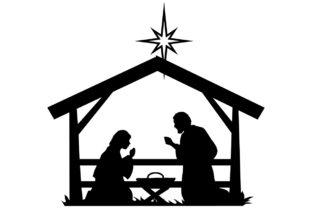
A Christmas nativity scene is a physical or visual depiction of the birth of Jesus Christ, typically including figures such as Mary, Joseph, the infant Jesus, shepherds, angels, and the Magi. It may also include animals, a stable or cave setting, and a star. The scene can be rendered as a three-dimensional display, an illustration, a digital graphic, or even a cinematic set. Its purpose is to represent the moment of birth as described in the Gospel narratives, making abstract theological concepts tangible and accessible.
What makes the nativity scene worth discussing is not merely its religious significance but its versatility as a communication tool. It condenses a complex narrative into a single, recognizable image. In practical terms, this means it can serve as an anchor for newsletters, sermons, classroom lessons, social media posts, or brand campaigns that align with winter holidays. Its strength lies in its immediate recognizability and emotional resonance.
Visual Clarity and Symbolic Density
The nativity scene is visually straightforward. A few figures arranged in a minimal setting convey a story that spans prophecy, travel, rejection, and hope. This efficiency is valuable for anyone who needs to communicate quickly without lengthy explanation. A single well-composed nativity image can replace paragraphs of text in a brochure, presentation, or website header.
From a design standpoint, the scene offers built-in visual hierarchy. The central figures, the infant and mother, naturally draw the eye. Secondary figures like shepherds and angels add context and movement. This makes the nativity scene effective as a composition, whether in print, digital, or three-dimensional form.
Cultural Reach and Recognition
While the nativity scene originates in Christian tradition, its imagery has permeated secular holiday culture. In many regions, it appears in public spaces, retail displays, and educational materials regardless of the audience's religious background. This broad recognition means that using a nativity scene does not require extensive contextualization for most viewers. They already understand the basic narrative and emotional tone, which reduces the cognitive load on your audience and allows you to focus on your specific message.
Adaptability Across Media
The nativity scene translates well across formats. It can be photographed, illustrated, animated, sculpted, or rendered in 3D software. For digital creators, this means you can source or create nativity assets that match your existing visual style. For educators, the scene can be presented as a diorama, a printable coloring page, or a short video. The adaptability of the nativity scene is one of its strongest practical advantages.
Quality Considerations
The quality of a nativity scene depends heavily on its execution. A crudely rendered or mass-produced display may lack detail and emotional impact, limiting its usefulness for professional applications. Conversely, a well-crafted nativity scene with attention to proportion, lighting, and facial expression can communicate warmth, dignity, and narrative depth.
If you are purchasing a physical nativity set, evaluate the materials, paint quality, and scale consistency. In digital assets, check resolution, color accuracy, and how the scene holds up when cropped or resized. For illustrations or animations, assess whether the characters have personality and whether the setting feels grounded. Low-quality representations can undermine the sincerity of the message you are trying to convey.
Flexibility in Context
The nativity scene works best when placed in context that respects its origin while allowing for creative interpretation. It can be stylized, abstracted, or modernized, but care should be taken to preserve its core narrative. For example, a minimalist line-art nativity scene may work beautifully on a modern website or print piece, while a photorealistic rendering may suit a museum display or high-end publication.
However, flexibility has limits. If you push the scene too far into abstraction or parody, you risk alienating audiences who hold the imagery as sacred. Conversely, a strictly literal depiction may feel dated or irrelevant to contemporary viewers. Balancing respect and relevance is a practical challenge, but one that can be managed by understanding your audience's expectations.
Reliability and Consistency
For repeated use across multiple projects or years, the nativity scene offers reliable consistency. The characters and setting are fixed, which means your audience will recognize the scene each time they encounter it. This is particularly useful for annual campaigns, series of lessons, or recurring publications. You can build a visual brand around the nativity scene without needing to reinvent the concept each year.
That said, reliance on the same scene can lead to visual fatigue. Rotating between different artists' interpretations, varying the dominant color palette, or using different perspectives (e.g., a bird's-eye view versus a ground-level angle) keeps the imagery fresh while maintaining recognition.
Educators and Religious Instructors
For those teaching the Christmas story, the nativity scene is an essential visual aid. It provides a concrete reference point for discussions about history, culture, and belief. A physical or digital nativity scene allows learners to point to characters, ask questions, and connect abstract ideas to visual elements. In classroom or church settings, it also encourages hands-on interaction, especially for younger learners.
Content Creators and Communicators
Bloggers, social media managers, and content creators who produce seasonal material benefit from the nativity scene's immediate recognizability. A single image can anchor an entire post or video, reducing the need for elaborate visual production. For creators working with tight deadlines, having a reliable nativity graphic saves time and ensures consistency across platforms.
Small Business Owners and Marketers
Small businesses that align holiday marketing with tradition can use the nativity scene to signal values such as community, family, and gratitude. It works especially well for businesses in sectors like stationary, gifts, food, and hospitality. A tasteful nativity image on a website or flyer invites customers who share those values to engage more deeply.
Event Planners and Set Designers
For physical events such as church services, community gatherings, or school productions, the nativity scene serves as a focal point. It requires relatively few elements to create a powerful visual presence. Even a simple arrangement with good lighting can evoke the desired atmosphere without a large budget.
Limitations and Considerations
The Christmas nativity scene is not universally appropriate. In secular or multi-faith contexts, it may feel exclusionary if not paired with inclusive messaging. Additionally, the scene's religious specificity limits its use for audiences that prefer non-denominational holiday imagery. Consider your audience carefully before centering a nativity scene in your project.
Another limitation is the risk of overexposure. Because the nativity scene is so widely used, it can blend into the visual noise of the holiday season unless you differentiate it through composition, style, or context. Generic stock nativity images rarely stand out. Investing in a unique illustration, a custom set, or a creative interpretation is wise if you need the scene to carry significant communicative weight.
Physical nativity sets also require storage, maintenance, and handling. For educators or event planners, this is a logistical factor. Digital versions are more portable but require appropriate licensing and technical compatibility with your platform.
Practical Recommendations
- Match the scene to your medium. A detailed physical set works for live events, while a simplified vector graphic suits digital use. Choose based on where and how your audience will encounter it.
- Prioritize quality over quantity. One well-designed nativity scene is more effective than multiple mediocre versions. Invest in a single strong asset if your budget allows.
- Consider your audience's context. In a religious setting, a traditional representation may be expected. In a commercial environment, a stylized or abstract version may feel more appropriate.
- Plan for reuse. If you produce seasonal content annually, build a library of nativity assets from different angles or in different styles to keep your output fresh without starting from scratch.
- Test for legibility. In small sizes, such as social profile icons or email headers, intricate nativity scenes lose detail. Ensure your version remains readable at various scales.
Long-Term Value and Relevance
The Christmas nativity scene has sustained relevance because it addresses a fundamental human need to tell origin stories. It is not a trend. Its narrative of birth, hope, and community remains accessible regardless of cultural shifts. For professionals who work with seasonal content or educational material, the nativity scene offers predictable value over time. You can use it year after year without it feeling outdated, especially if you refresh its presentation periodically.
That said, its value depends on intentional use. Simply placing a nativity image on a page without connecting it to your core message will not yield meaningful engagement. The scene works best when it functions as a visual anchor for a larger idea, not as decoration. If you integrate it thoughtfully into your narrative, it can carry emotional and communicative weight that few other seasonal images can match.
Ultimately, the Christmas nativity scene is a tool with clear strengths and real limitations. It is not a default option for every holiday project, but for those who need to convey warmth, tradition, and narrative clarity, it remains a practical and effective choice. Evaluate your audience, your medium, and your message carefully, and you will know whether the nativity scene belongs in your work this season.