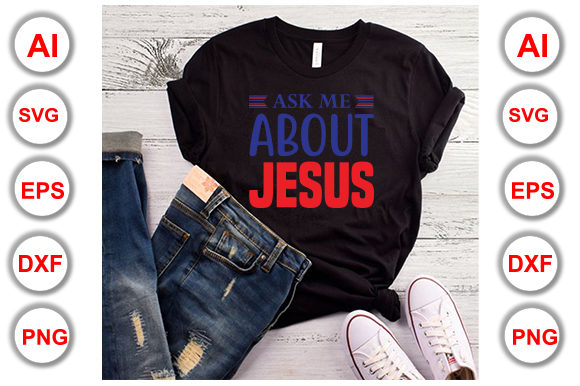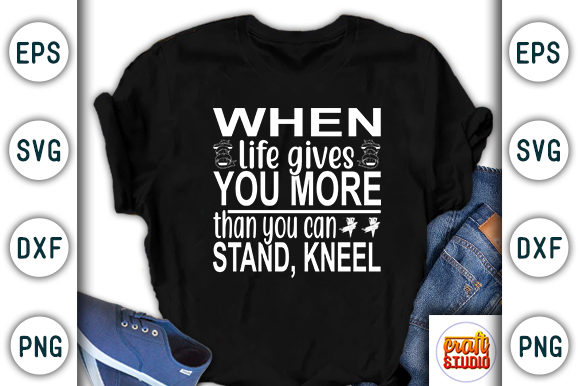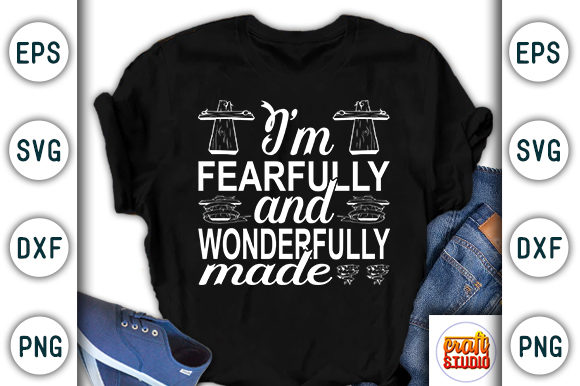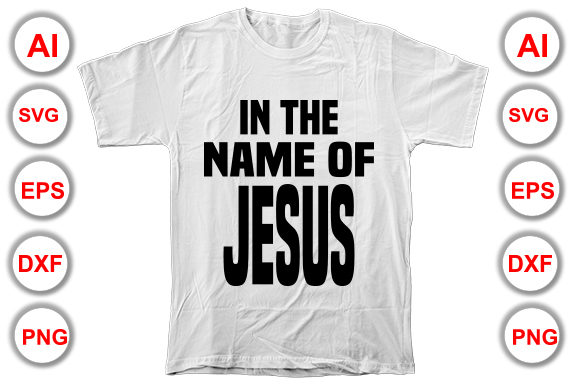
Distressed Go Jesus Its Your Birthday: The Rise of Authentic Faith Expression in Modern Apparel
There is a moment in culture when a phrase captures something deeper than its surface meaning. Distressed Go Jesus Its Your Birthday is one of those phrases. At first glance, it reads like a playful mashup of celebration and faith. But look closer, and it reveals a meaningful shift in how people—especially younger adults and creators—choose to express their beliefs, their humor, and their identity through what they wear and share. This isn’t just about a T-shirt or a meme. It is about the merging of authenticity, personal conviction, and the cultural moment we are living through right now.
The phrase combines the “distressed” aesthetic—those intentionally worn, faded, vintage looks that signal character and history—with a direct, almost irreverent acknowledgment of Jesus and His birthday. It is a celebration, yes, but one that refuses to be polished or, frankly, performative. That tension between reverence and realness is what makes it resonate. People are tired of plastic faith. They want something that looks like it has been lived in.
What Distressed Go Jesus Its Your Birthday Actually Means in Practice
To understand the relevance of Distressed Go Jesus Its Your Birthday, it helps to step into the world of contemporary faith-based apparel and social expression. For decades, Christian-themed clothing tended toward the overtly scriptural or the sentimentally sweet. Think bold block letters quoting John 3:16, or a pastel dove silhouette. These designs served a purpose, but they rarely felt personal or culturally current.
What has emerged more recently—and what phrases like this encapsulate—is a shift toward textured faith expression. The word “distressed” here is doing double duty. It refers to the visual style of the garment: a weathered, broken-in look that implies the wearer has been through something. But it also points to a spiritual posture. People want their faith to feel real, not airbrushed. They want it to show wear and tear because that is honest. Saying “Go Jesus, it’s your birthday” in a distressed font on a hoodie feels less like a statement and more like a conversation. It feels like inside joke, a shared recognition that faith can be joyful, celebratory, and even a little rough around the edges.
For creators and small business owners, this is a goldmine of authentic connection. A design that feels personal and slightly imperfect often generates more engagement than something polished and corporate. The market has spoken: people buy what feels like it was made for them, not sold to them.
How This Fits Into Shifting Habits in Faith and Fashion
We are living through a period where the lines between sacred and everyday are being redrawn. Fewer people attend formal religious services weekly, yet interest in spirituality, mindfulness, and personal belief systems remains strong. This is especially true among adults aged 25 to 45, who are often searching for ways to integrate faith into their lives without the institutional packaging.
Apparel has become a primary vehicle for this integration. A person might not feel comfortable putting a bumper sticker on their car, but they will wear a shirt that communicates a piece of their inner life. Distressed Go Jesus Its Your Birthday fits squarely into this trend because it is low-pressure and high-signal. It communicates belonging without requiring a sermon. It is a nod, not a shout.
From a workflow perspective, the rise of print-on-demand services makes it possible for anyone with a laptop and a sense of cultural timing to design, market, and sell such items. You do not need a warehouse or a minimum order. You need to understand the emotional tenor of your audience. And right now, that audience is craving things that feel human, handmade, and just a little bit messy.
For bloggers and content creators covering lifestyle or faith topics, this is a rich area to explore. Your readers are likely already navigating the tension between tradition and personal expression. Showing them how a single phrase on a garment can capture that tension makes your content feel timely and grounded.
Why People Are Paying More Attention to This Style of Expression
Several converging forces explain the growing attention around faith-based, distressed aesthetic apparel. First is the broader cultural shift toward authenticity. Across fashion, social media, and even corporate branding, the winning move right now is to be real. Polished perfection reads as disingenuous. A distressed graphic that looks like it has been through a few cycles of life feels trustworthy.
Second is the rise of micro-communities. People are no longer looking for one-size-fits-all faith expression. They want to signal specific nuances of their belief and personality. A phrase like “Go Jesus Its Your Birthday” might resonate deeply within a particular circle—say, young Christian creatives who enjoy humor and celebration—while feeling entirely off to others. That is the point. It does not need to go viral with everyone. It needs to go deep with the right people.
Third, there is a practical evolution in how garments are produced and consumed. Consumers are more educated about fabric, printing techniques, and design ethics. They know the difference between a cheap, iron-on decal and a thoughtfully distressed screen print. They care about feel, both literal and emotional. The trend toward distressed designs is partly aesthetic and partly tactile. People want clothes that feel soft, worn, and familiar—like a favorite sweatshirt from ten years ago. Adding a faith message to that comfort creates a powerful combination.
For entrepreneurs and e-commerce sellers, this signals a clear opportunity. The product is not just a shirt. It is a vehicle for belonging. When you sell Distressed Go Jesus Its Your Birthday merchandise, you are offering people a way to say, “I belong here, with these people, who celebrate like this.” That is an emotional value proposition that beats price competition every time.
Practical Implications for Creators, Businesses, and Everyday Readers
Let’s get specific about what this means for different audiences. If you are a creator—a designer, writer, or social media manager—you can use the concept behind this phrase to inspire your own work. Think about the intersection of faith and informality in your niche. What sacred topics are you treating too seriously? Where could you inject warmth, humor, or a worn-in perspective? The principle is not about copying the phrase, but about adopting the posture behind it: confident enough to be casual, faithful enough to be joyful.
For marketers and business owners, the takeaway is about resonance over reach. A campaign built around a specific, emotionally honest concept like this will outperform a generic faith-themed campaign ten times out of ten. Why? Because specificity signals depth. When someone sees “Go Jesus Its Your Birthday” in a distressed font, they know immediately whether it is for them. That kind of clarity reduces friction and increases conversion. If you are running ads or building a brand, pay attention to the language and imagery that feels slightly imperfect. That imperfection is trust.
For educators and bloggers, this trend offers a case study in how language and aesthetics evolve together. You can discuss how the distressed look—which originated in punk and grunge subcultures—has been adopted into faith contexts as a symbol of honest struggle and celebration. That is a compelling narrative that your audience will find both surprising and relatable. It also opens up conversations about generational differences in faith expression, the role of humor in spirituality, and the economics of niche apparel.
For the everyday reader, the practical implication is simpler but no less meaningful: you have permission to express your faith in a way that feels natural to you. You do not need to choose between being sincere and being yourself. A distressed shirt with a playful birthday message for Jesus might seem small, but it represents a larger freedom. You can celebrate what you believe without putting on a performance. You can let your faith look lived in.
Realistic Examples and Observations from the Current Landscape
Consider a small shop on Etsy that specializes in faith-based apparel with a vintage, distressed feel. Their best-selling item is a hoodie that reads “Distressed Go Jesus Its Your Birthday” in a faded serif font on a heather gray background. Reviews mention the softness of the fabric, the authenticity of the design, and the way the garment starts conversations. One buyer writes, “I wore this to a birthday brunch and three people asked where I got it. It made everyone smile.” Another says, “It looks like it’s been my favorite hoodie for years. That’s exactly what I wanted.”
These observations are not anomalies. They reflect a broader truth: people are hungry for faith expressions that are relational rather than declarative. The shirt does not preach to anyone. It invites. That is a powerful distinction, and it is one that creators and businesses can build entire product lines around.
Another example comes from a content creator on Instagram who posts daily about faith, fashion, and mental health. She frequently features distressed apparel in her posts, pairing them with captions that explore the beauty of imperfection in spiritual life. Her engagement rates are consistently high, and her followers often tag friends with comments like, “This is so us.” The phrase “Go Jesus Its Your Birthday” has appeared in her stories multiple times, always met with a wave of positive reactions. Her audience does not see it as irreverent. They see it as refreshing.
These examples show that the trend is not about shock value. It is about sincerity that does not take itself too seriously. That balance is hard to strike, but when it lands, it resonates deeply.
Practical Recommendations for Moving Forward
If you are considering creating or investing in content, products, or conversations around this theme, keep a few principles in mind. First, prioritize quality. A distressed design only works if the garment itself feels good. People can forgive a lot if the fabric is right. Second, lean into the specific. Do not try to generalize the phrase into something that appeals to everyone. Its strength is its specificity. Third, use storytelling in your marketing. Explain why the look exists, what it represents, and who it is for. People buy stories, not just clothes.
For writers and educators, let this topic be a door into larger discussions about how faith adapts to culture without losing its center. The distressed look is a metaphor. It says that our beliefs can be worn, weathered, and still full of life. That is a valuable lesson for any generation, but especially for this one. For entrepreneurs, the door is open to create products that meet people where they actually are: looking for joy, belonging, and a little bit of worn-in grace.
The phrase Distressed Go Jesus Its Your Birthday is not going to define a decade. But it does define a moment—a moment when people want their faith to feel like an old friend rather than a formal obligation. That desire is not going anywhere. If you can capture it, you are not just selling a product. You are giving people a way to celebrate who they are, what they believe, and how far they have come. And that is worth every faded fiber.