Dabbing Jesus: A Cultural Phenomenon and Its Impact on Digital Marketing and Brand Expression
In the vast ecosystem of internet culture, few symbols have managed to bridge the gap between irreverent humor and genuine branding potential quite like Dabbing Jesus. What began as a playful mashup of a religious icon with a contemporary dance move has evolved into a case study for how modern audiences interact with symbols, how content creators can leverage cultural moments, and how professionals across industries can rethink engagement in a world saturated with messaging.
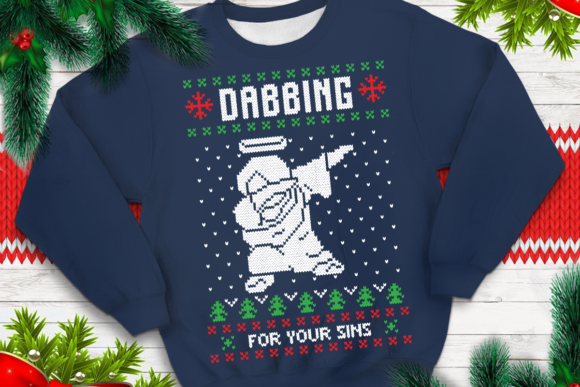
To understand the relevance of Dabbing Jesus, we must first define it. At its core, Dabbing Jesus is a digital image or meme that superimposes the “dab” dance pose—commonly associated with hip-hop culture, athletes, and pop stars—onto classical depictions of Jesus Christ. The image often takes the form of a Renaissance-style painting or a stained-glass window, with Jesus captured mid-dab, arms angled, head turned. It is irreverent, humorous, and instantly recognizable to anyone familiar with both religious iconography and internet meme culture.
While the meme may appear trivial on the surface, its adoption across social media, merchandise, and even marketing campaigns indicates a deeper shift in how symbols are created, shared, and monetized. For professionals, creators, and entrepreneurs, Dabbing Jesus represents an intersection of tradition and novelty, sacred and profane, and viralability and brand recall.
Origins and Cultural Reach
The exact origin of Dabbing Jesus is difficult to pinpoint, as with many internet memes. It gained traction in the mid-2010s alongside the popularity of the dab dance itself, which was popularized by artists like Migos and athletes like Cam Newton. The meme quickly spread through platforms like Twitter, Instagram, and Reddit, where users began photoshopping Jesus into the dab pose using public domain artworks. Over time, Dabbing Jesus became a staple of meme pages, printed on T-shirts, featured in digital art, and even used in social media profiles.
What makes Dabbing Jesus more than a passing joke is its semiotic richness. It plays on the tension between reverence and humor, forcing viewers to reconcile two opposing cultural signifiers. For marketers and content strategists, this tension is gold: it generates engagement, discussion, and shares. The image is simultaneously familiar and absurd, which makes it memorable.
Why Professionals and Creators Are Paying Attention
For freelancers, entrepreneurs, and marketers, understanding the lifecycle of a meme like Dabbing Jesus offers practical lessons in cultural resonance. In an era where consumer attention is fragmented, the ability to tap into a shared visual language can break through noise. Dabbing Jesus succeeded because it was not just a joke—it was a commentary on modern spirituality, pop culture, and the remix nature of digital life.
Consider how brands have historically used religious imagery to evoke trust, tradition, or sanctity. Dabbing Jesus flips that script. It signals that a brand or creator is in on the joke, aware of internet culture, and willing to take risks. This can be particularly effective for targeting younger demographics who value authenticity and humor over polished corporate messaging. A freelance designer can use Dabbing Jesus in a portfolio piece to demonstrate cultural fluency. A startup can incorporate the meme into a social media post to humanize its brand.
Moreover, the meme’s longevity—spanning several years—demonstrates that not all viral content is ephemeral. Some memes become enduring archetypes that can be referenced repeatedly without losing impact. For content planners, this means investing in memes with strong conceptual foundations rather than chasing every trending hashtag.
Changing Needs, Preferences, and Workflows
The relevance of Dabbing Jesus also speaks to broader changes in how audiences consume and interact with content. The modern consumer expects participatory culture. They do not want to be passive recipients of a message; they want to remix, share, and comment. Dabbing Jesus is inherently participatory—anyone can create their own version using free photo editors or meme generators. This lowers the barrier to engagement and fosters a sense of community.
For marketers, this shifts the workflow from one-way broadcasting to co-creation. Instead of crafting a polished campaign and hoping it sticks, brands can seed a flexible visual concept (like Dabbing Jesus) and allow the audience to run with it. This approach requires a tolerance for ambiguity and a willingness to relinquish total control over the brand narrative—a difficult but increasingly necessary skill in the creator economy.
Similarly, for entrepreneurs and creators, the meme illustrates the power of recontextualization. A tired or sacred symbol can be given new life by placing it in an unexpected setting. This is not limited to religion; it applies to any iconography—corporate logos, historical figures, classic art. By recontextualizing familiar elements, creators can generate fresh interest without inventing something from scratch. Dabbing Jesus is essentially a mashup of two distinct cultural artifacts, and the result is greater than the sum of its parts.
Practical Examples of Dabbing Jesus in Action
Beyond internet memes, Dabbing Jesus has found its way into physical merchandise, including apparel, phone cases, and posters. Small business owners on platforms like Etsy and Redbubble have reported strong sales of Dabbing Jesus items, particularly around holidays when religious themes are more prominent. This demonstrates that even a seemingly niche meme can have commercial viability as long as it taps into a universal emotional tension—humor mixed with reverence.
Another example is in digital marketing campaigns. A church youth group once used Dabbing Jesus in a social media post to attract younger members, sparking both praise and controversy. While not every brand will choose such a bold path, the reaction itself—positive and negative—generated engagement metrics that far exceeded standard announcements. For marketers, the lesson is clear: content that provokes a strong emotional response, even if polarizing, can outperform safe, neutral content.
For content creators on YouTube and TikTok, Dabbing Jesus has been used as a thumbnail image, a background gag, or a reaction meme. In these contexts, the image functions as a visual shorthand for “this content is absurd, funny, and culturally aware.” It signals to the algorithm and to viewers that the creator understands the language of the internet.
Connection to Larger Cultural and Consumer Trends
The rise of Dabbing Jesus is not an isolated phenomenon. It is part of a larger trend where internet memes drive consumer behavior and shape brand perception. From Pepe the Frog to Doge to the Distracted Boyfriend, memes have become a new form of visual language that transcends geographic and linguistic barriers. Dabbing Jesus belongs to a subset of memes that specifically play with religious and historical iconography, such as “Jesus with a Kim K. face” or “Buddha Dab.” These memes reflect a broader cultural shift toward ironic detachment combined with genuine curiosity about tradition.
This shift is particularly relevant for businesses that operate in spaces where tradition and modernity collide—such as fashion, interior design, content marketing, and even food branding. A brand that can reference classical art with a meme twist signals that it respects heritage but is not bound by it. This is precisely the positioning that appeals to the millennial and Gen Z consumer, who value brands that are authentic, witty, and willing to break the fourth wall.
Furthermore, Dabbing Jesus illustrates the democratization of visual culture. Previously, religious iconography was controlled by institutions—churches, museums, art historians. Now, anyone with a smartphone can reimagine it and distribute it globally. This democratization has implications for copyright, branding, and intellectual property. Professionals in creative fields must understand that once an image enters the public conversation, it can be reshaped endlessly. The brand that tries to control its image too rigidly may miss out on organic engagement.
Insights for Professionals and Enthusiasts
For those looking to apply the lessons of Dabbing Jesus to their own work, several actionable insights emerge:
- Embrace remix culture. Do not be afraid to combine unexpected elements. The most memorable ideas often come from juxtaposing two separate cultural references.
- Let your audience co-create. Instead of perfecting a single campaign, provide a loose concept that others can adapt. This increases reach and loyalty.
- Use humor to disarm. In a professional context, humor can make even the most serious brands approachable. Dabbing Jesus proves that sacred cows can be playful.
- Test the boundaries of your brand voice. If a church youth group can use Dabbing Jesus, many B2B or conservative brands can also find a way to inject internet culture into their messaging—within reason.
- Monitor meme lifespans. Not all memes are sustainable. Dabbing Jesus has shown staying power because it is based on a timeless image (Jesus) and a dance move that cycles back in popularity. Look for foundations that last.
For marketers, the key takeaway is to integrate cultural listening into your strategy. By tracking when and how memes like Dabbing Jesus are used by your target audience, you can time your own content to align with their conversational rhythms. This requires more than just viral trends; it requires understanding the deeper narrative behind the meme.
For entrepreneurs and freelance creators, Dabbing Jesus is a reminder that your personal brand or business brand can benefit from referencing internet culture as long as it feels natural. A forced meme will fall flat; one that genuinely resonates with your audience will strengthen your connection. Dabbing Jesus works because it sits at the intersection of multiple cultural currents: the timeless, the modern, the sacred, and the playful.
Conclusion
Dabbing Jesus may seem like a fleeting internet oddity, but its continued presence across media and merchandise signals something larger about how we create and consume symbols today. For professionals, creators, marketers, and entrepreneurs, understanding the mechanics behind such a meme offers a blueprint for engaging modern audiences—those who demand relevance, humor, and participation. By learning from the cultural dynamics that made Dabbing Jesus resonate, you can craft messages that are not just seen, but shared, remixed, and remembered.