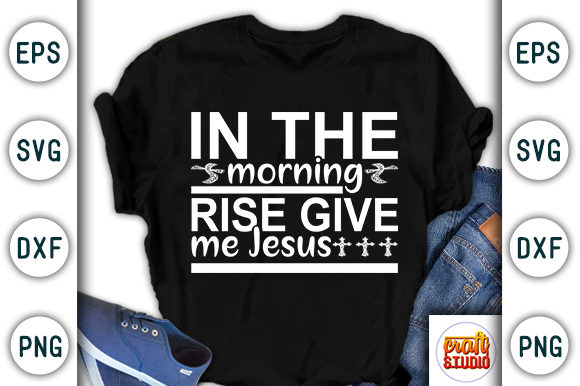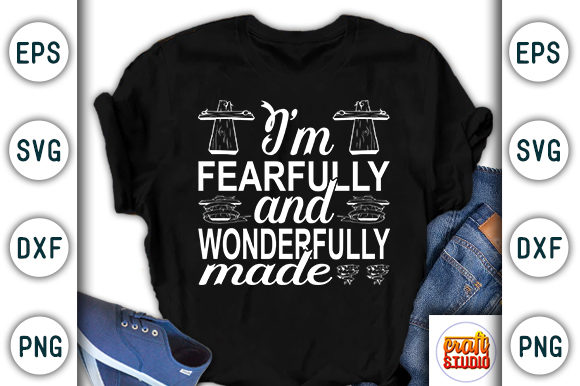
Christian Jesus Design, I’m Fearfully and Wonderfully Made: A Practical Guide for Creatives and Entrepreneurs
If you’ve come across the phrase “Christian Jesus Design, I’m Fearfully an” and wondered what it means, you’re not alone. It stems from the powerful biblical truth in Psalm 139:14: “I praise you because I am fearfully and wonderfully made.” That phrase, when paired with “Christian Jesus Design,” points to a growing movement of faith-driven creativity—where believers use their design, branding, and content skills to honor God and serve others. Whether you’re a graphic designer, a small business owner, a blogger, or a freelancer, this concept can reshape how you approach your work and your identity.
What Christian Jesus Design, I’m Fearfully an Actually Means
At its core, “Christian Jesus Design, I’m Fearfully an” is an affirmation of identity and purpose. It’s the recognition that you are not a random accident. You were designed by a Creator with intention, skill, and love. The “Christian Jesus Design” part acknowledges that your creative abilities, your personality, and even your limitations are part of a divine plan. The “I’m Fearfully an” completes that thought—you are fearfully and wonderfully made, and that truth applies to every aspect of your life, including your work.
For many, this becomes a design philosophy: treat every project, every client, and every audience as someone who is likewise fearfully made. It shifts the focus from ego-driven creativity to service-oriented craftsmanship. It means your design choices, your words, your products, and your services can reflect dignity, respect, and intentionality.
Where and When People Use This Mindset in Real Life
This isn’t a Sunday-only idea. People apply “Christian Jesus Design, I’m Fearfully an” in everyday settings—mornings at the drafting table, late nights editing a blog post, meetings with clients, or while building a product from scratch.
Creative Professionals and Freelancers
A freelance graphic designer working on a brand identity for a local nonprofit might start each project by reminding themselves that the end users are people made in God’s image. That changes how they choose colors, typography, and imagery. Instead of chasing trends, they ask: Does this honor the client’s mission and the people they serve? The result is work that feels grounded, not gimmicky.
Bloggers and Content Creators
When a Christian blogger writes about parenting, finances, or faith, the phrase “Christian Jesus Design, I’m Fearfully an” becomes a filter. It helps them avoid clickbait and shallow content. Instead, they write with empathy, knowing their readers are also fearfully made. Their tone becomes warmer, their examples more relatable, and their advice more practical.
Small Business Owners and Entrepreneurs
Imagine a business owner who starts a home decor brand. They could just sell products. But when they operate from the belief that every customer is fearfully and wonderfully made, they invest in better packaging, clearer instructions, and genuine customer service. They design products that serve real needs rather than manufactured wants. Their brand story resonates because it’s authentic.
Multiple Realistic Use Cases Across Personal and Professional Settings
Let’s walk through specific scenarios where this mindset changes the outcome.
Building a Personal Brand as a Faith-Driven Creator
You’re a photographer who wants to build a personal brand that reflects your faith. Instead of copying secular influencers, you lean into “Christian Jesus Design, I’m Fearfully an.” You choose to photograph people in ways that highlight their dignity, not their flaws. You write captions that encourage rather than compare. Your portfolio becomes a ministry of affirmation. Clients notice the difference—they feel seen, not objectified.
Designing a Church Website or Ministry Materials
When you’re responsible for your church’s website or bulletin design, the pressure can feel high. Applying the “Christian Jesus Design” principle means you prioritize clarity and warmth. You use readable fonts, intuitive navigation, and welcoming imagery. You ask: Will a visitor feel intimidated or welcomed? You design not to impress other designers, but to help someone find the information they need—service times, contact details, or a word of hope.
Developing an Online Course or Educational Content
Educators and course creators benefit directly. If you’re building a course on entrepreneurship, writing, or digital skills, the way you structure lessons matters. When you believe your students are fearfully made, you avoid a one-size-fits-all approach. You include varied formats—videos, worksheets, community discussions—because people learn differently. You add grace for late submissions and encourage questions. Your course feels humane, not mechanical.
Marketing and Branding for a Faith-Based Product
Let’s say you sell a product like a journal or a devotional app. Your marketing copy can either push hard sells or invite connection. With the “Christian Jesus Design, I’m Fearfully an” mindset, you choose the latter. Your product descriptions emphasize how the journal helps users reflect on their own worth. Your social media posts ask thoughtful questions instead of shouting “Buy now!” You build trust, not urgency.
How Different Users Benefit in Different Situations
The beauty of this approach is that it adapts to your context. It’s not a rigid formula—it’s a compass.
For the Busy Freelancer
Freelancers often struggle with burnout and imposter syndrome. Reminding yourself that you are fearfully made can reset your work rhythm. You take breaks without guilt. You say no to clients who don’t align with your values. You price your work fairly because you know your skills have inherent worth. The result: more sustainable income and less resentment.
For the Entrepreneur Scaling Up
When your business grows, it’s tempting to cut corners to meet demand. The “Christian Jesus Design” principle keeps you grounded. You hire employees who share your values. You train your team to treat customers as people, not transactions. Your business culture becomes a place where people feel valued, which reduces turnover and builds loyalty.
For the Hobbyist Who Wants to Go Pro
Maybe you’re a calligrapher, a woodworker, or a baker who started as a hobby. You want to turn your passion into income without losing your soul. Using “Christian Jesus Design, I’m Fearfully an” as your guide, you price your work with confidence. You share the story behind each piece. You engage with customers as individuals. Your shop becomes a place people return to, not just for the product, but for the experience.
What You Should Consider Before Applying This to Your Work
This isn’t a magic formula. Here are some practical considerations to keep in mind.
Know Your Audience Beyond Their Faith
Even if you operate from a Christian worldview, not everyone you serve shares your beliefs. The phrase “Christian Jesus Design, I’m Fearfully an” is your inner compass, not your marketing slogan. You don’t need to put it on every product or post. Use it to shape your decisions, not to alienate potential customers who might not resonate with faith language. Let your quality and kindness speak for themselves.
Avoid Spiritual Bypass
It can be tempting to use faith as a reason to avoid hard business decisions. I’ll just pray about it becomes an excuse for not learning basic marketing or design skills. The “fearfully and wonderfully made” truth includes your mind and your ability to learn. Take courses. Get feedback. Improve your craft. Faith and skill work together, not against each other.
Balance Vision with Practicality
You might feel inspired to design everything with deep symbolic meaning, but sometimes a clean button or a fast-loading page is more important than a hidden cross in the logo. Functionality and usability are also acts of love. If a visitor can’t navigate your site or understand your offer, all the theological depth in the world won’t help them.
Stay Humble About Your Work
Remember that your best design or product still serves imperfect people in an imperfect world. “Christian Jesus Design, I’m Fearfully an” isn’t about perfectionism. It’s about intention. You will make mistakes. You will have projects that flop. That’s okay. The goal is to create with integrity, not to impress everyone.
Connecting Features to Real Outcomes
Let’s look at how specific qualities of this approach lead to measurable outcomes.
- Intention over trend: When you design from a place of purpose, your work feels timeless. Clients notice that your branding doesn’t look dated after a year. They refer you because your work has staying power.
- Empathy over ego: When you prioritize the user’s experience, your bounce rates drop, your engagement rises, and your customer reviews glow. People sense when they’ve been considered.
- Service over sales: When your marketing serves first, you build an audience that trusts you. They buy because they believe in you, not because they were manipulated.
- Authenticity over gloss: When you share your real journey—including struggles—your audience connects. They see themselves in your story, and they stick around.
Practical Ways to Start Applying Christian Jesus Design Today
You don’t need a total overhaul. Start small.
- Write a mission statement for your work that includes the phrase “fearfully and wonderfully made.” Keep it where you can see it.
- Review an active project through this lens. Ask: Does this serve the person on the other end? Does it honor their dignity?
- Adjust your pricing to reflect the true value of your work, not fear or comparison.
- Change one piece of marketing copy from a hard sell to a genuine offer of help.
- Set a weekly reflection time where you ask God: How did my work honor You and serve others this week?
Closing Thoughts That Stick
“Christian Jesus Design, I’m Fearfully an” isn’t a trend you adopt and drop. It’s a way of seeing your life and your work. When you truly believe that you are fearfully and wonderfully made, you stop competing and start creating. You stop comparing and start contributing. You realize that your unique mix of skills, experiences, and faith isn’t a coincidence—it’s a design. And the best way to honor that design is to use it for others.
Whether you’re designing a logo, writing a blog post, launching a product, or leading a team, that truth can anchor you. It won’t make your work perfect, but it will make it purposeful. And in a world full of noise, purposeful work stands out.